Day 2: Drawing Strength from Practice and Dharma
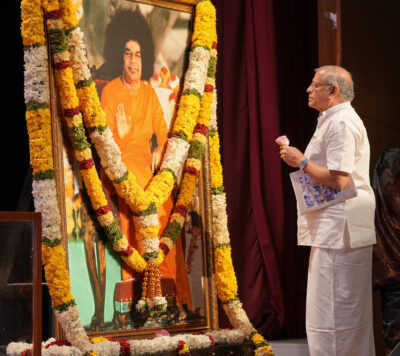
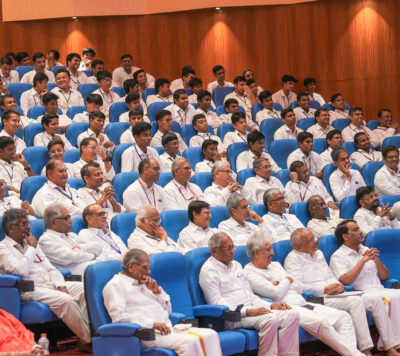
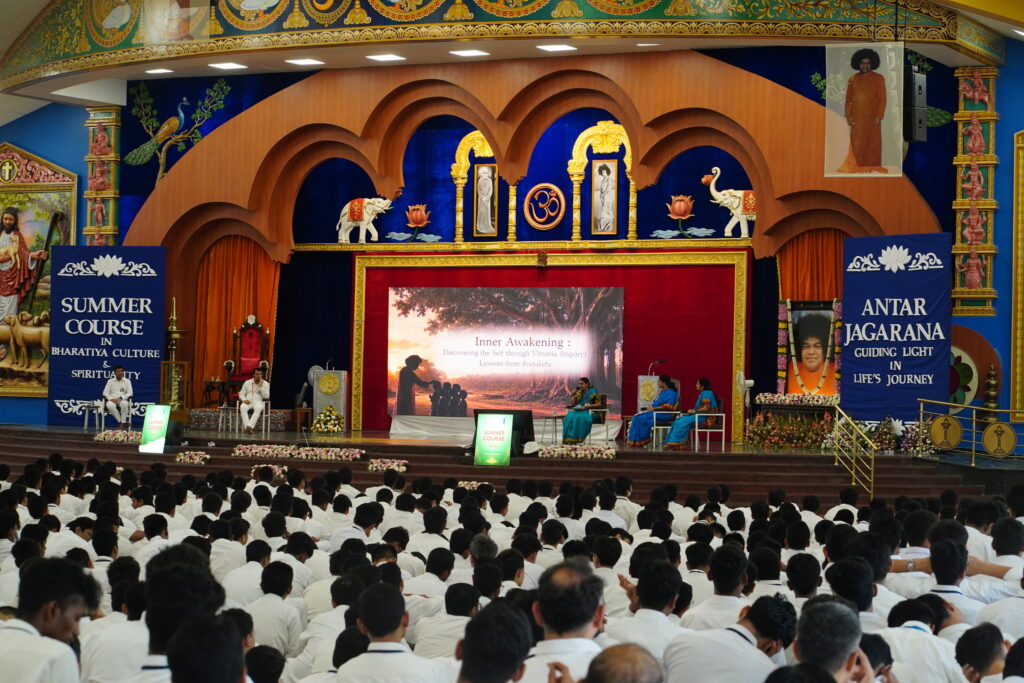
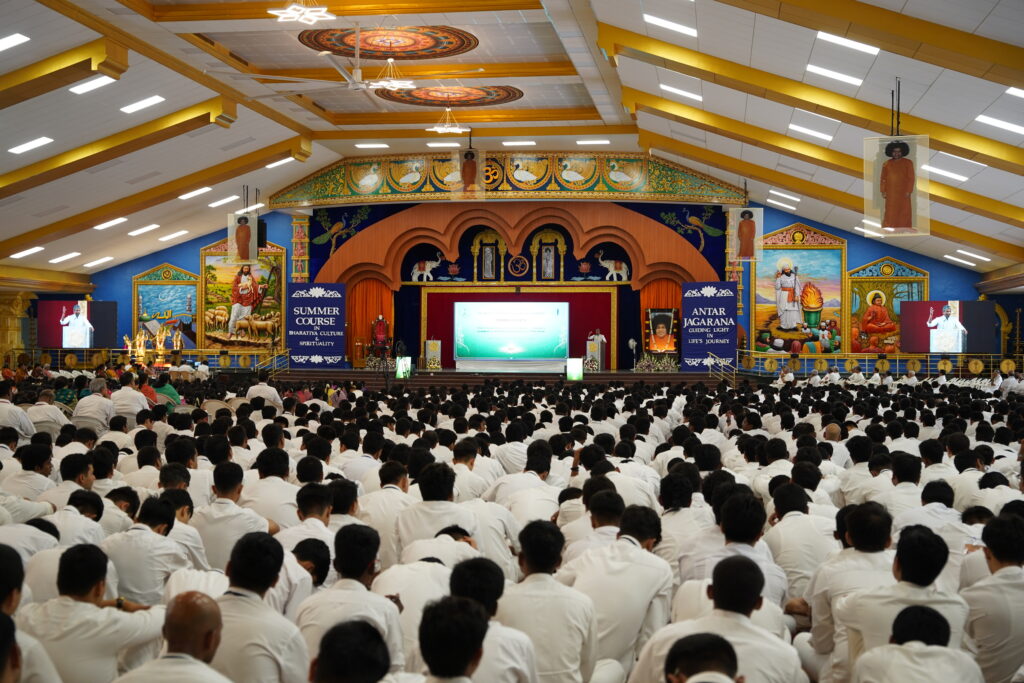
The second day of the Summer Course in Bhāratīya Culture and Spirituality 2026, organised by the Centre for Sri Sathya Sai Studies, Sri Sathya Sai Institute of Higher Learning (SSSIHL), continued to inspire participants through enriching discussions on self-transformation, spiritual discipline, and righteous living. Centred on the theme “Antar Jāgaraṇa – Inner Awakening: The Guiding Light in Life’s Journey,” the day’s sessions encouraged students to cultivate inner strength through sustained practice and adherence to Dharma.
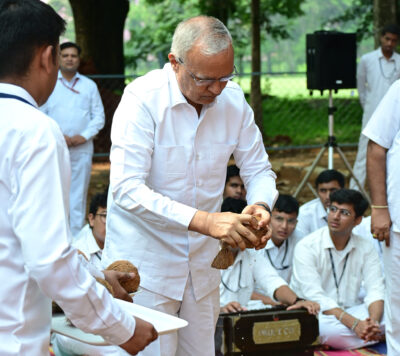
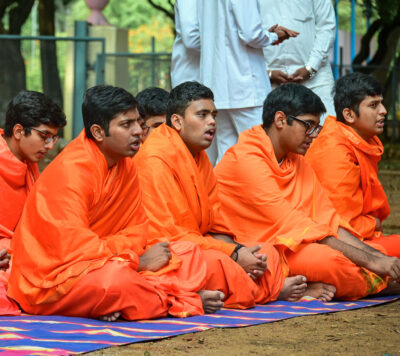
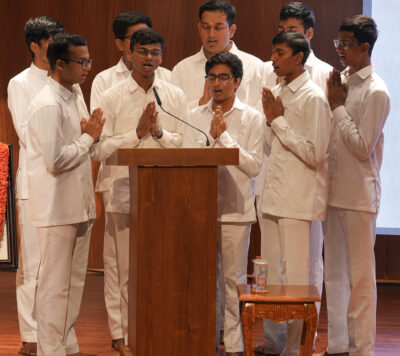
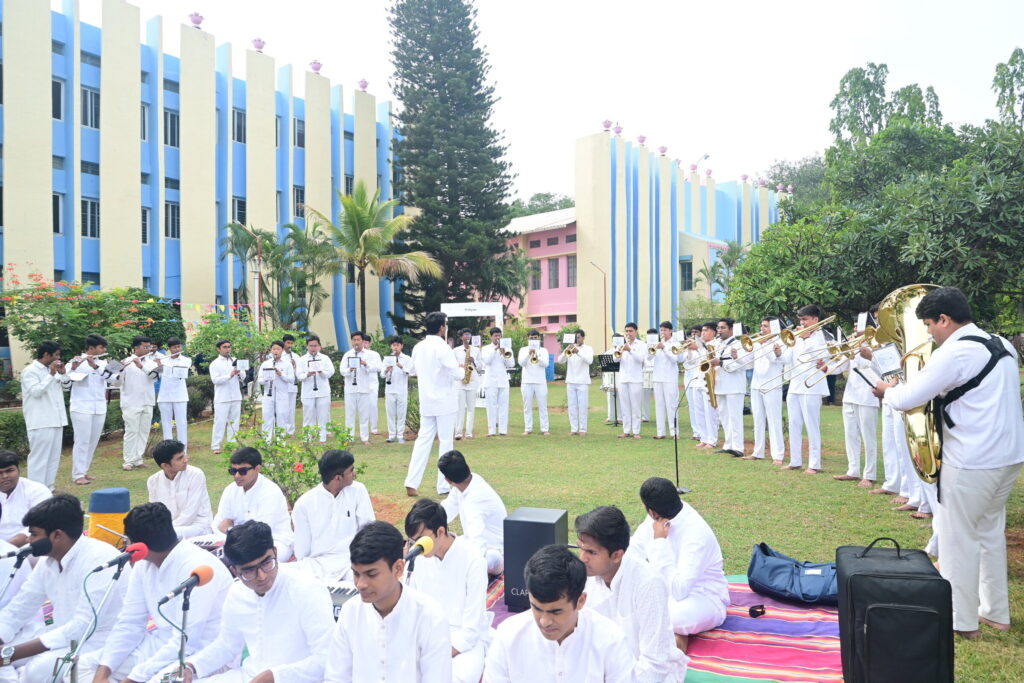
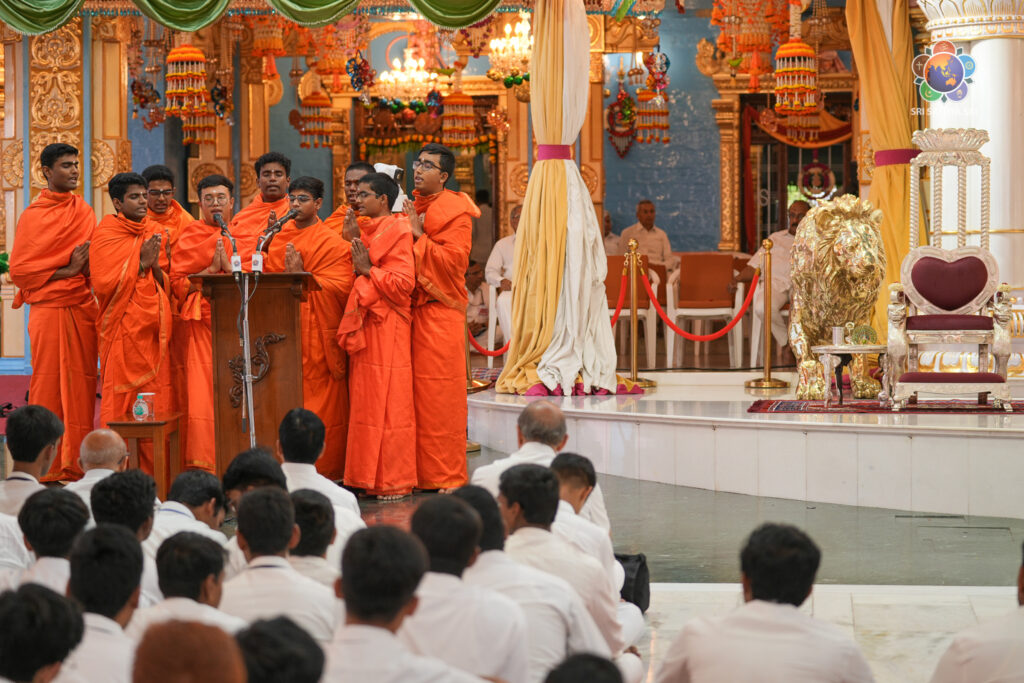
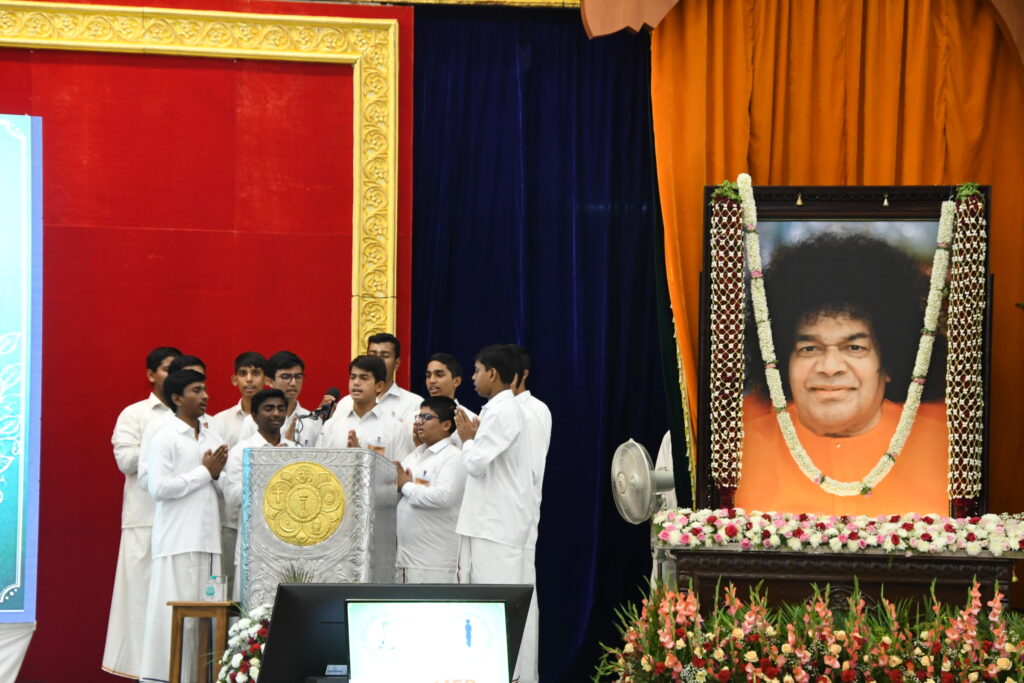
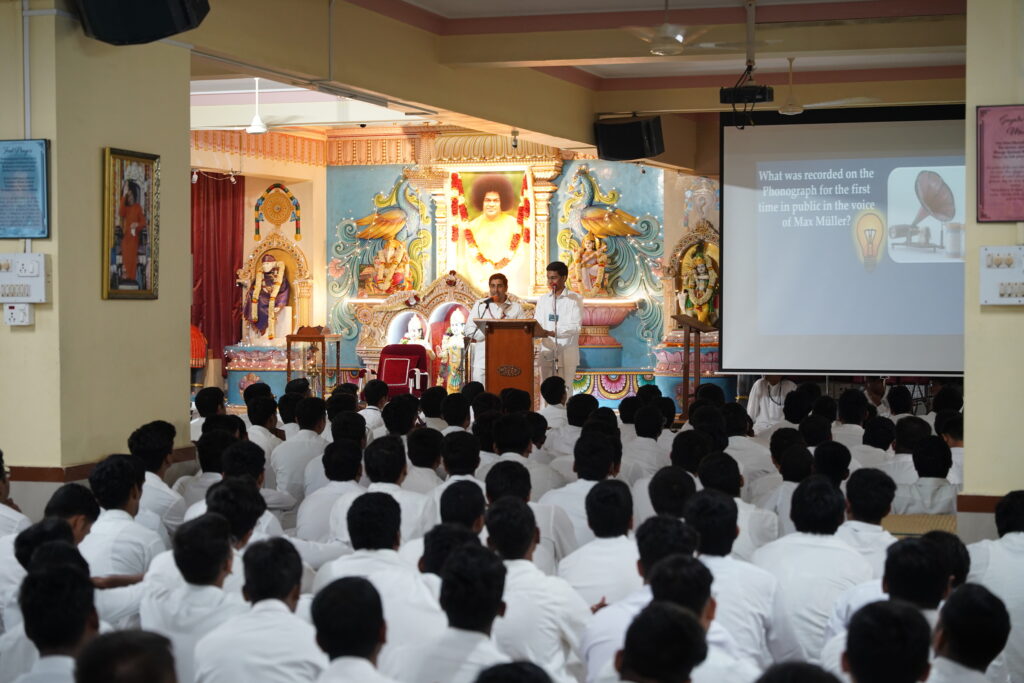
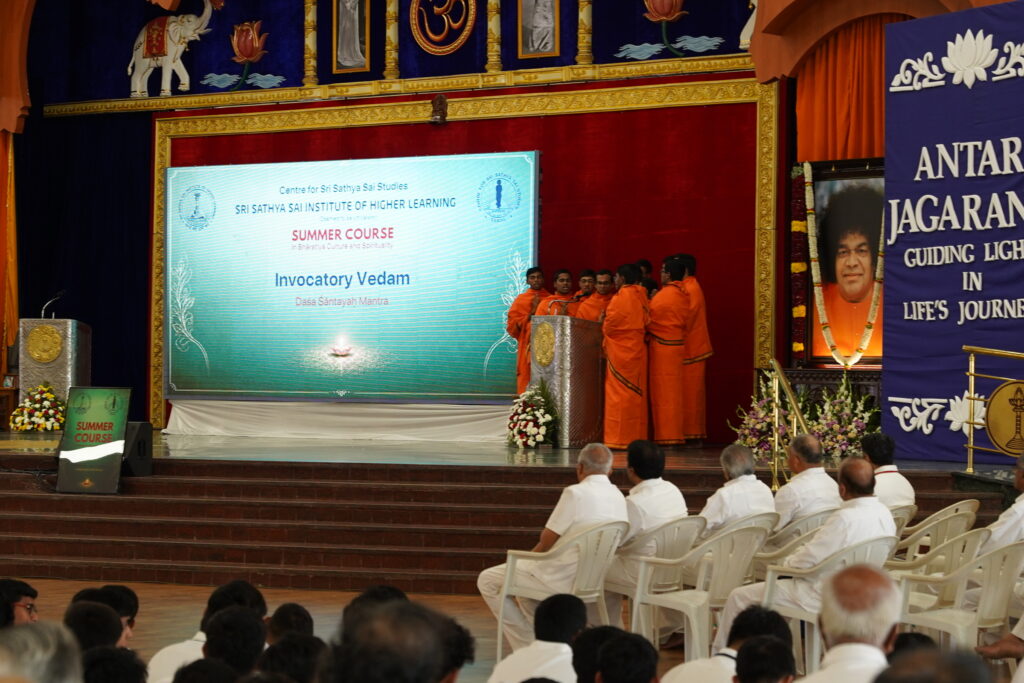
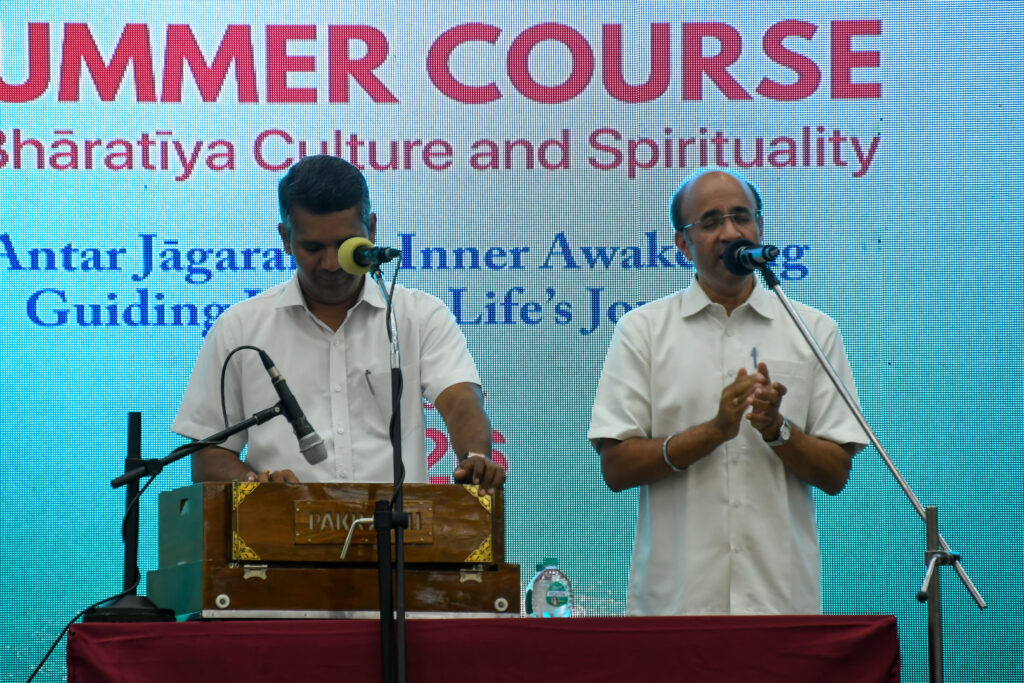
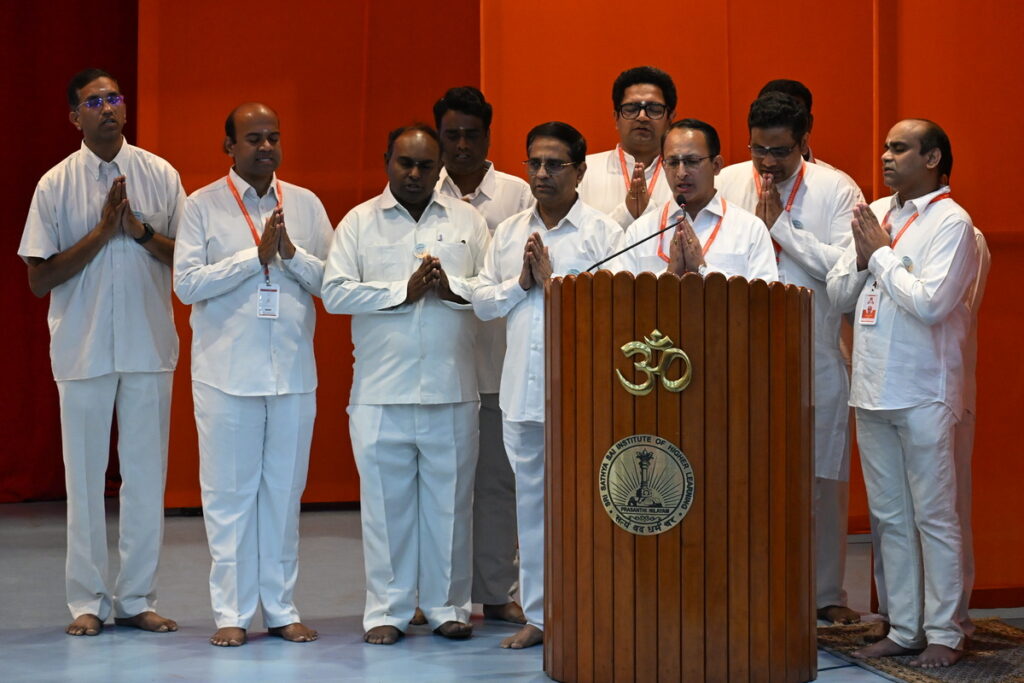
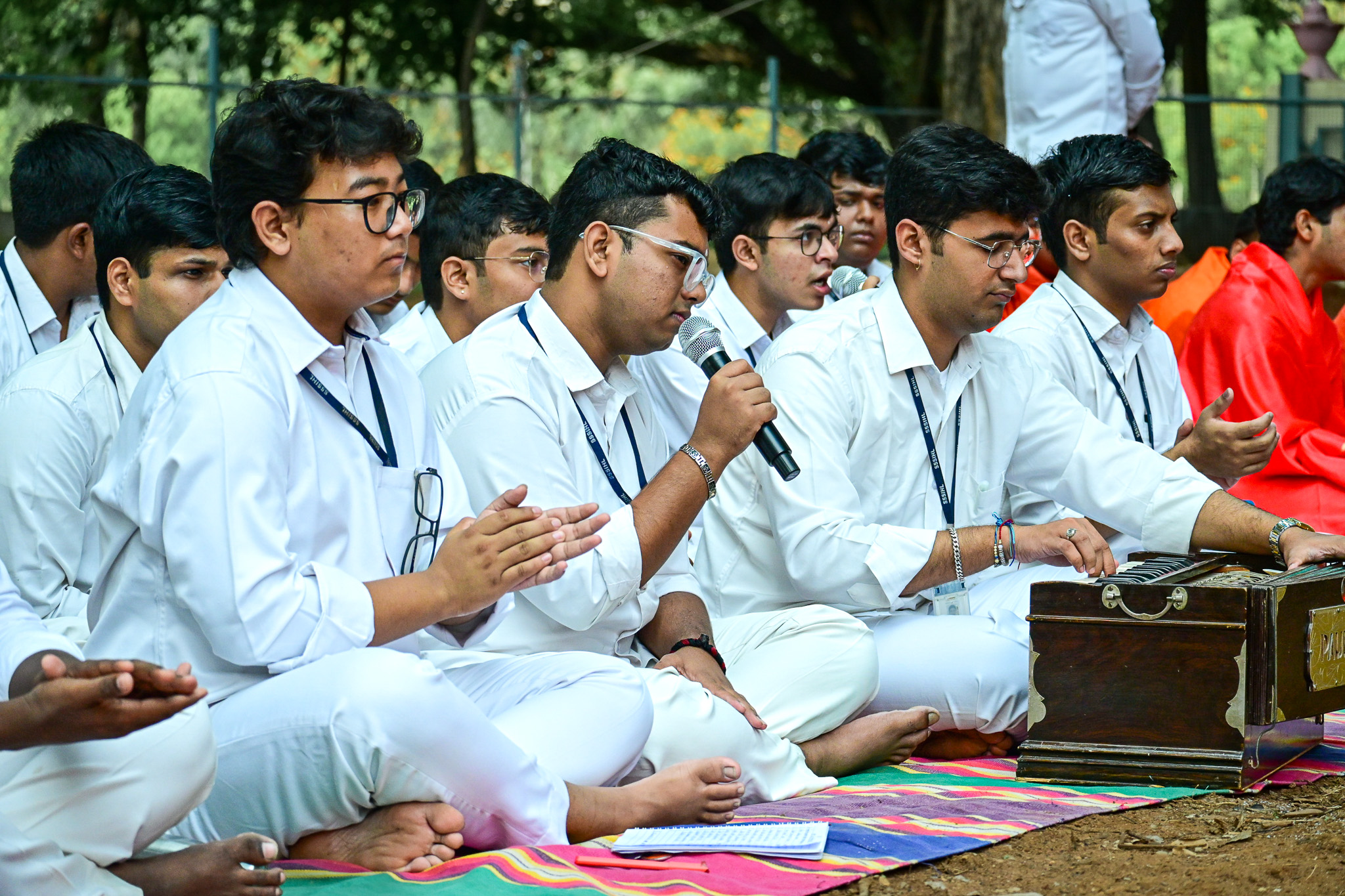
The morning programme commenced with the sacred chanting of the Medhā Sūktam Ghanam by students of the Sri Sathya Sai Higher Secondary School (Boys), invoking the blessings of Goddess Saraswati and setting a serene, contemplative tone for the day’s proceedings.
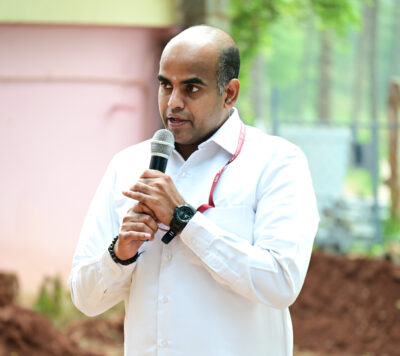
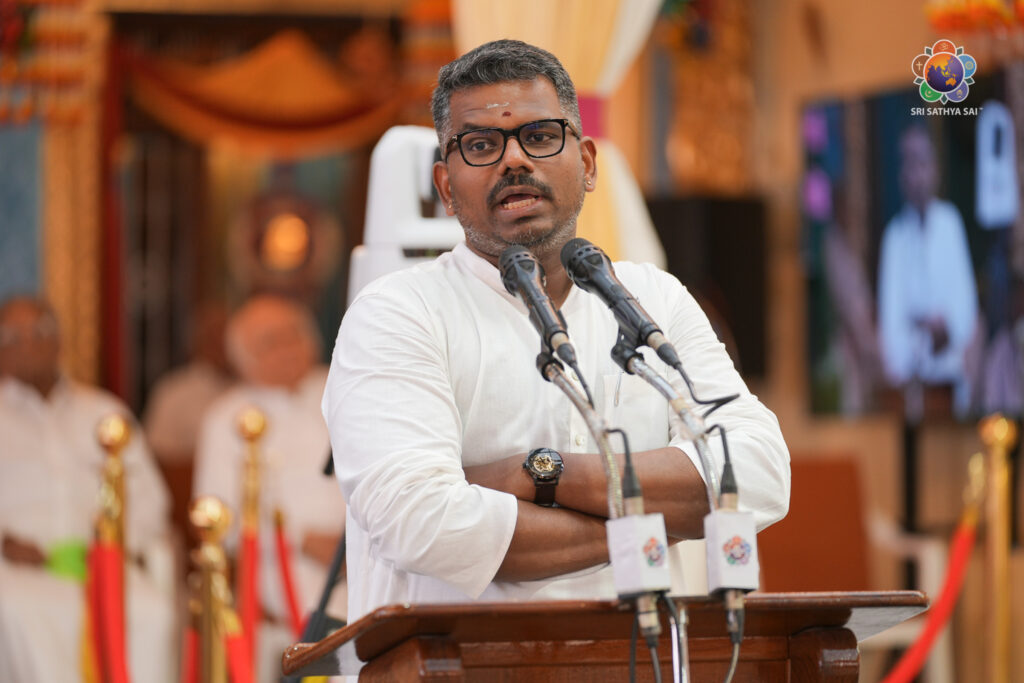
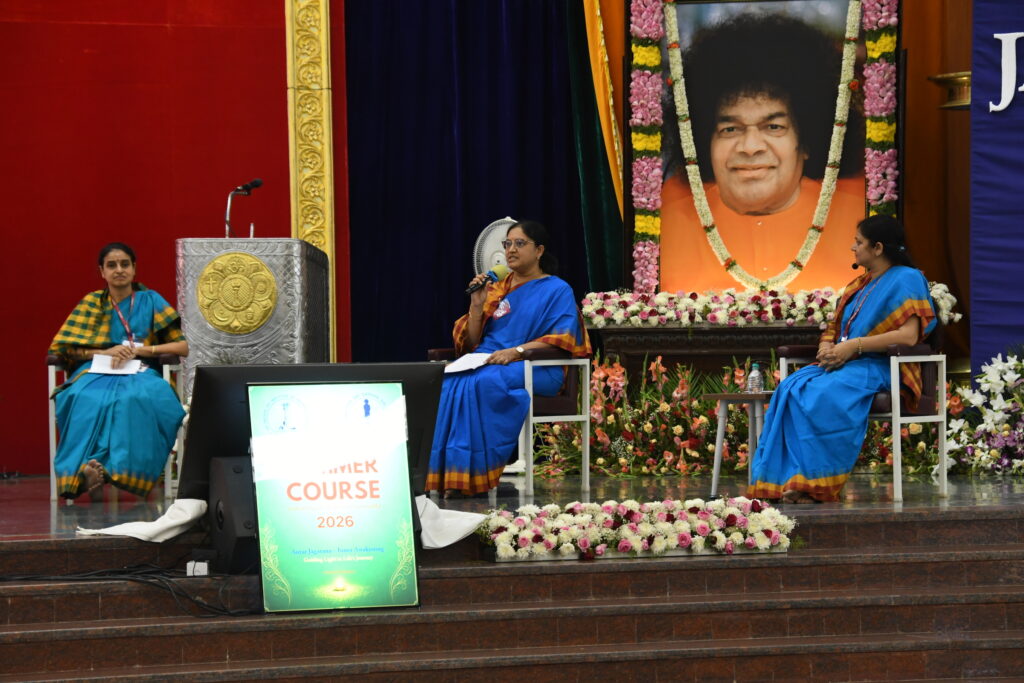
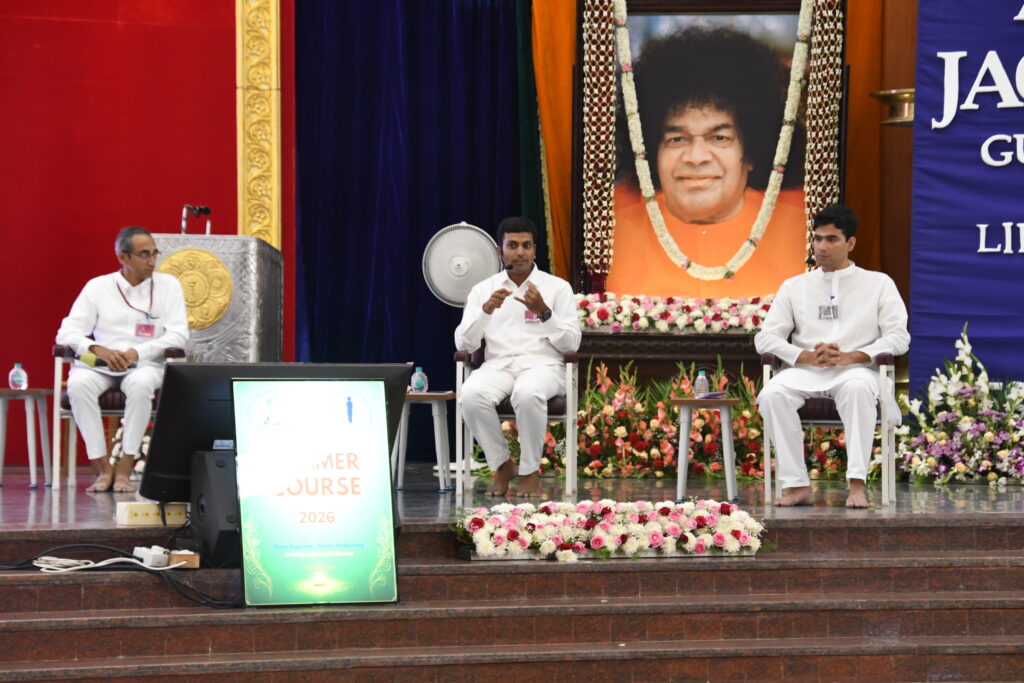
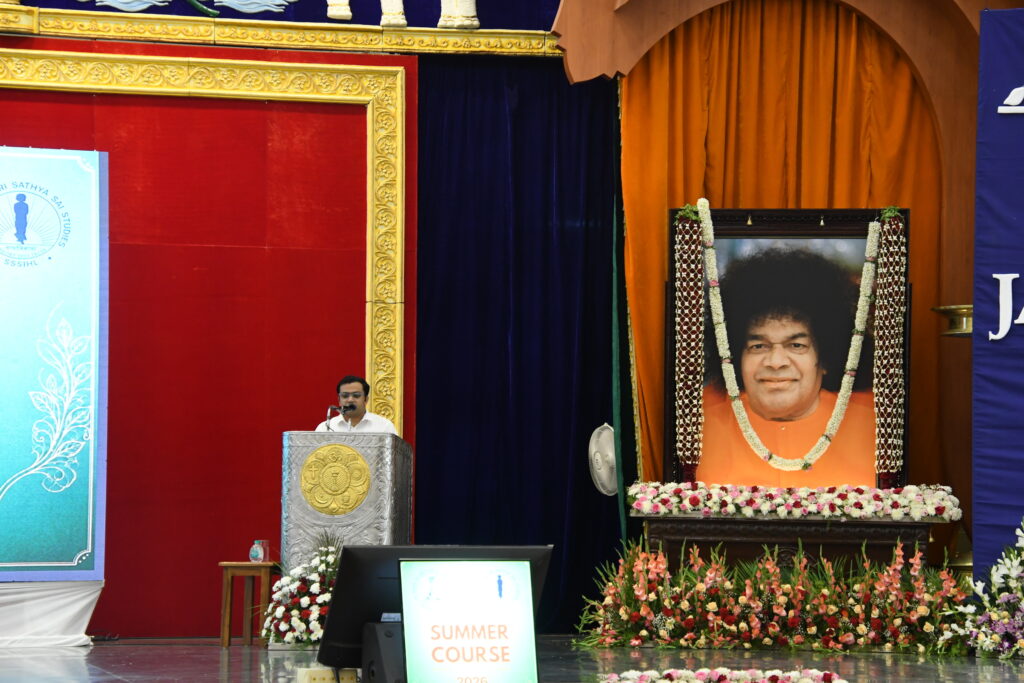
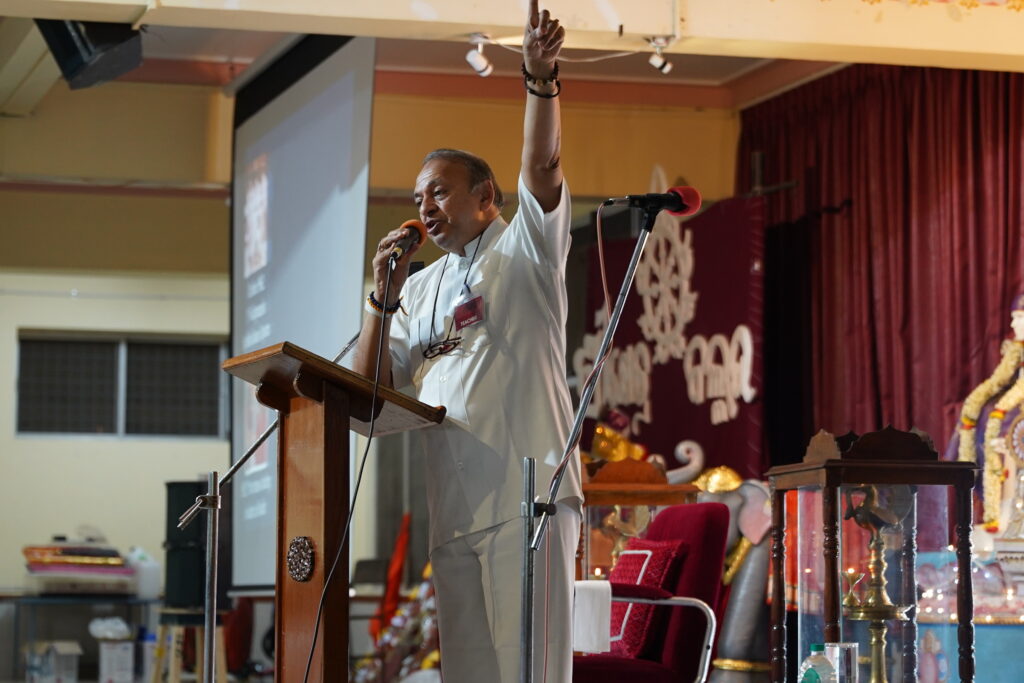
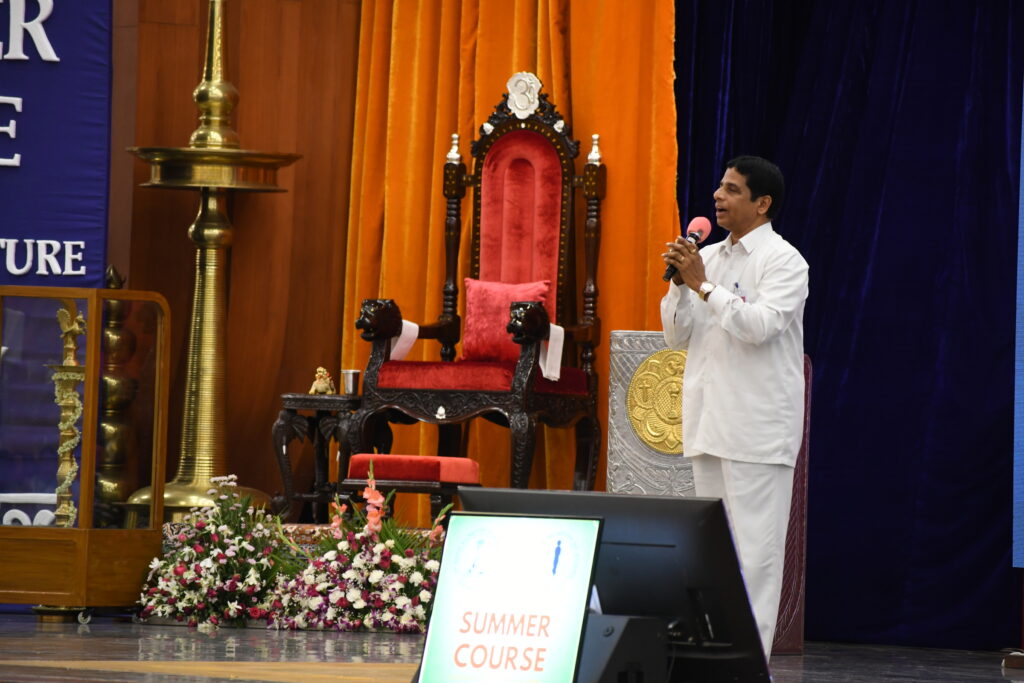
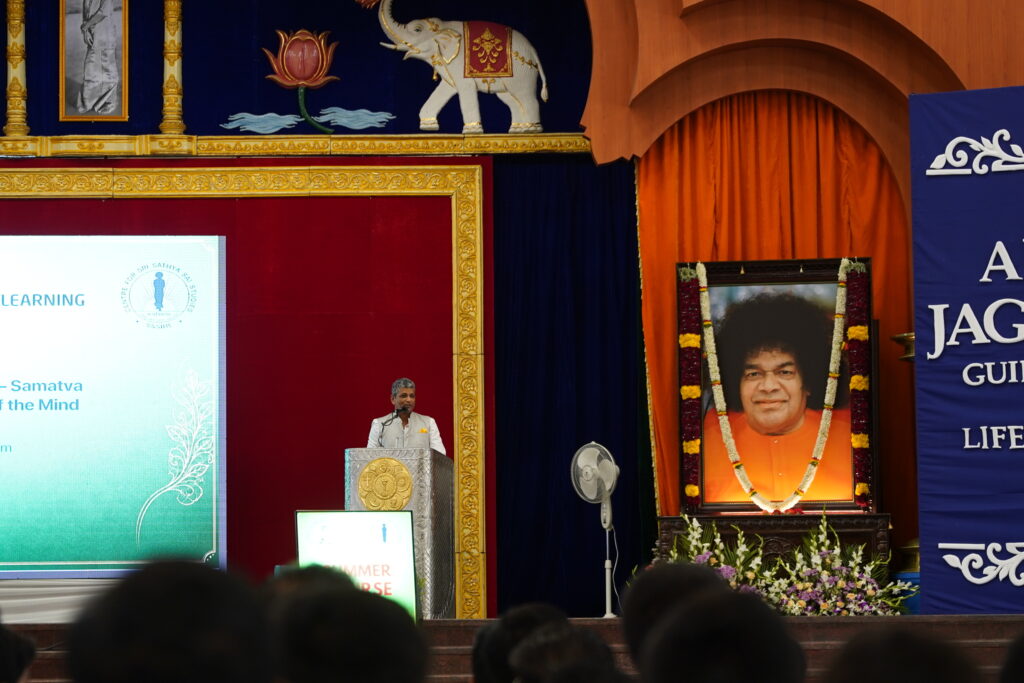
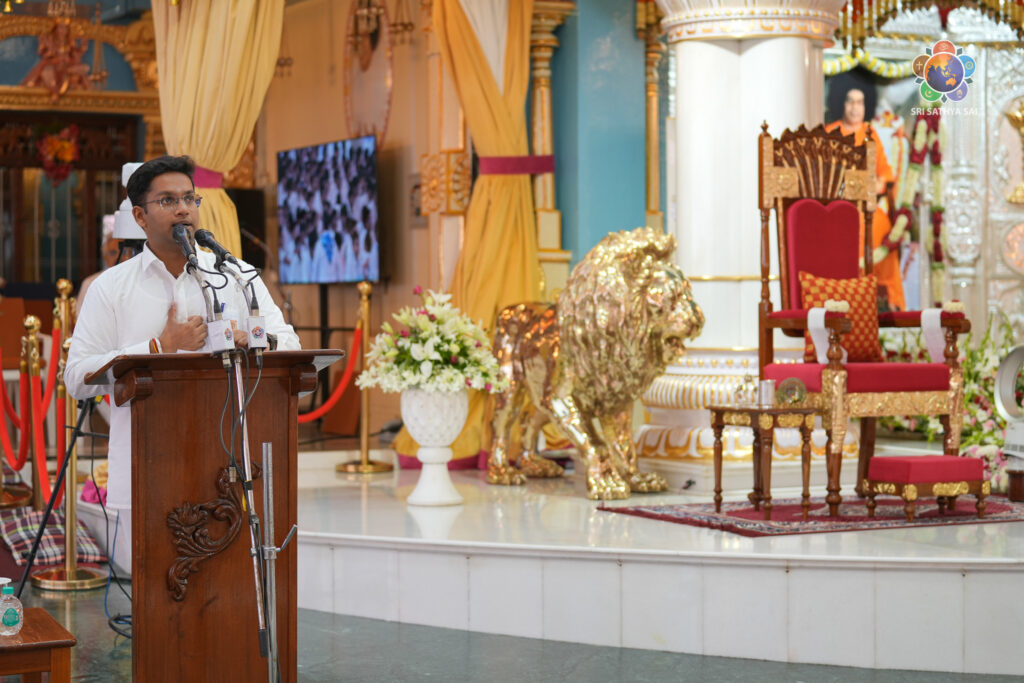
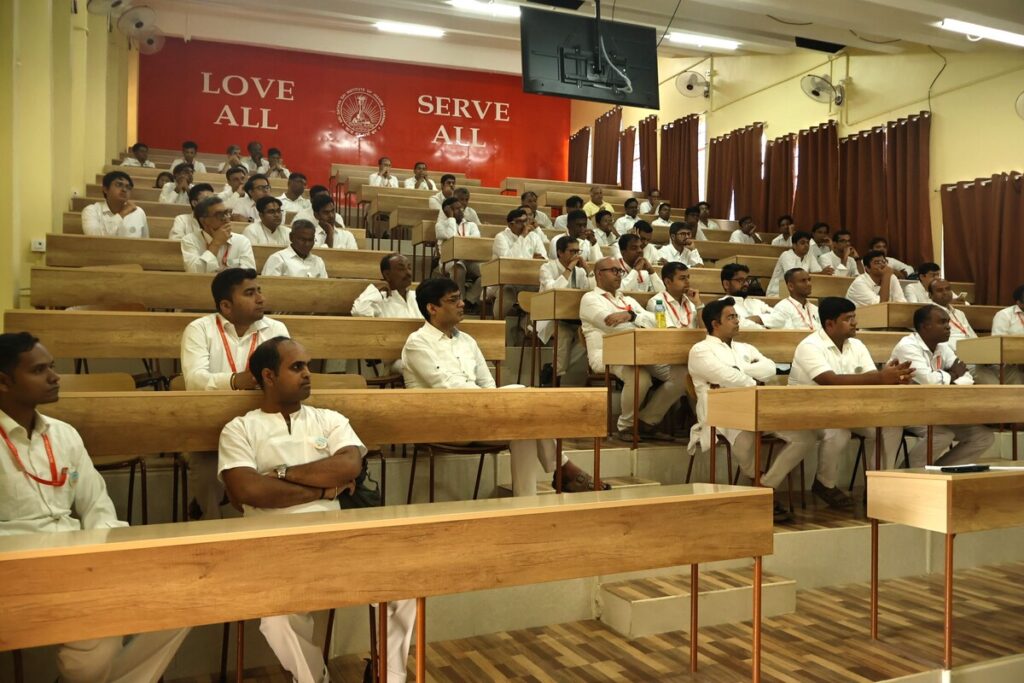
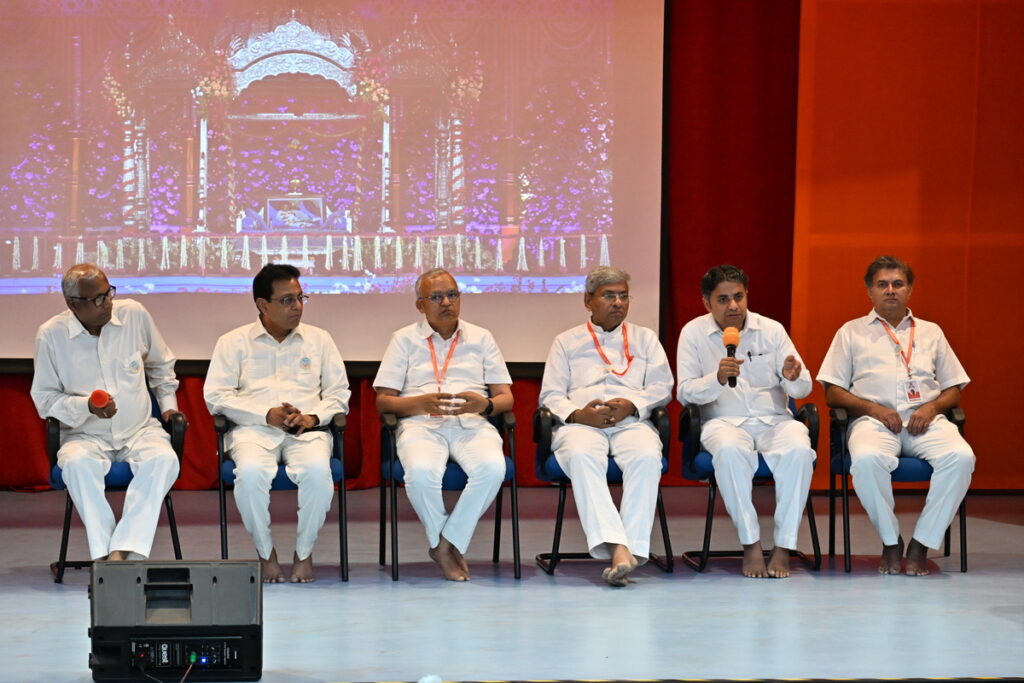
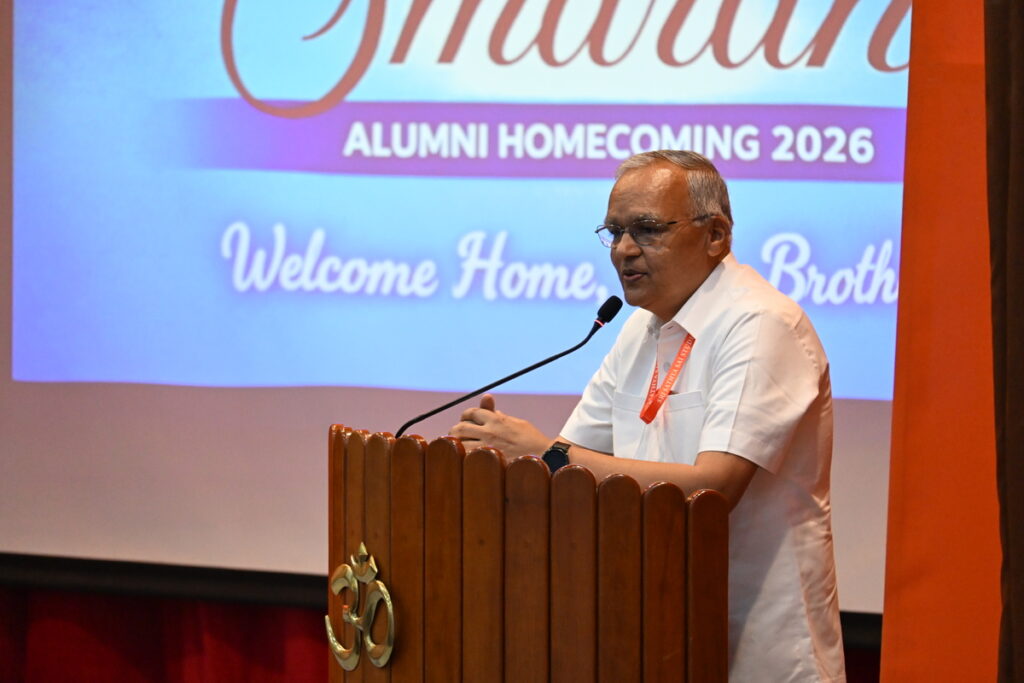
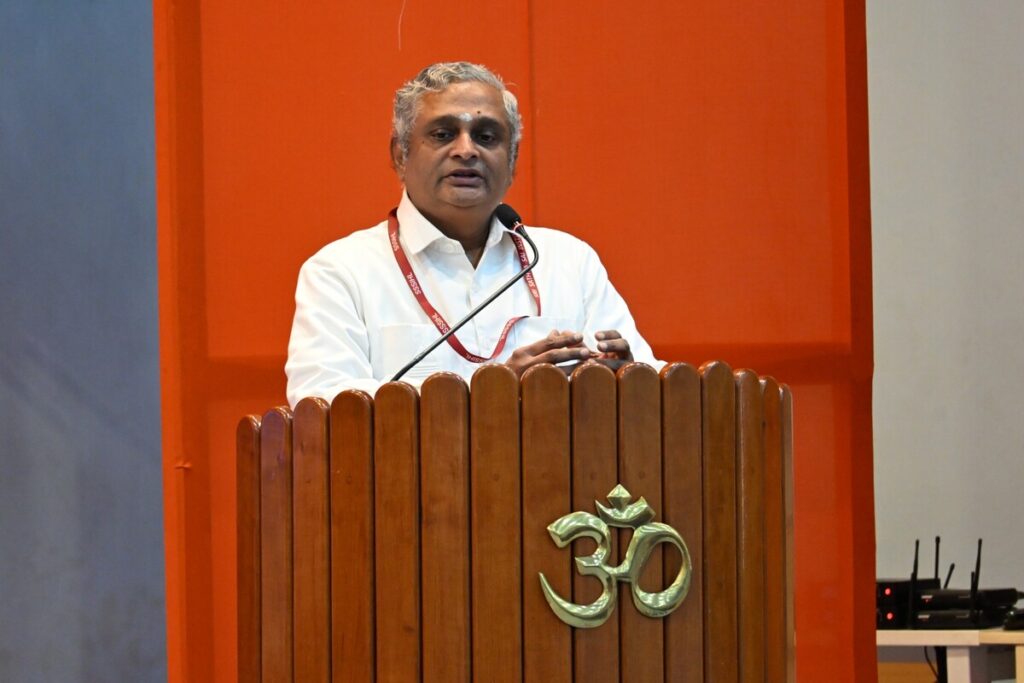
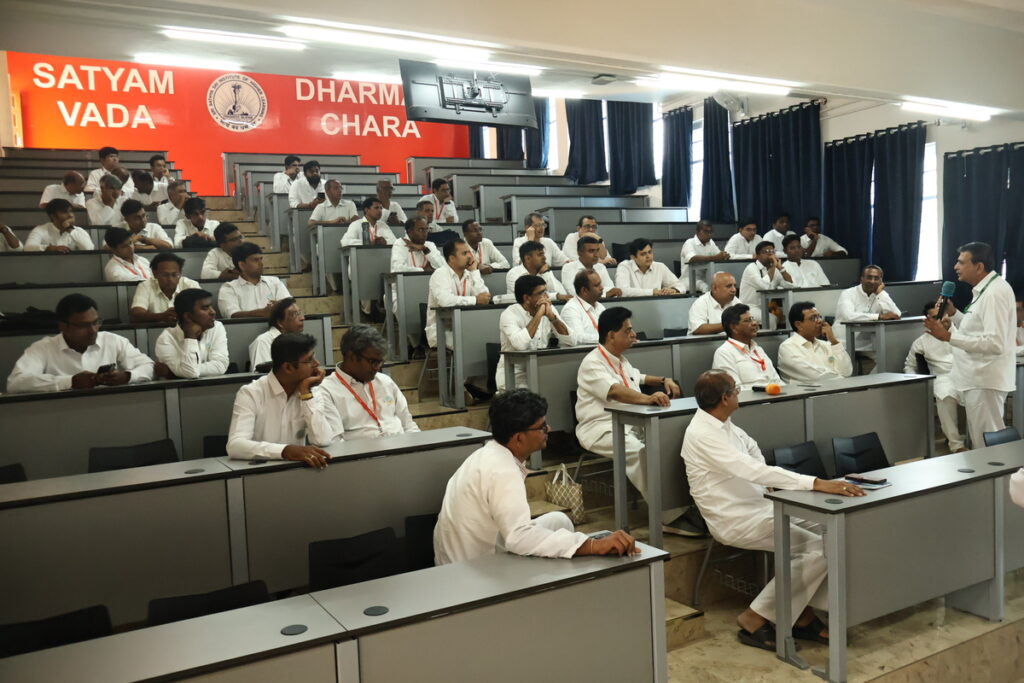
Participants engaged in an insightful case study presentation and discussion titled “Inner Awakening and Abhyāsa (Practice): Lessons from Lord Hanuman.” The session was moderated by Dr Sai Shyam, Assistant Professor, Department of Mathematics and Computer Science, SSSIHL, and featured a distinguished panel comprising Sri Sai Ganesh Muthuraman, Software Engineer, Google, Dr V. Bhaskaran, Assistant Professor, Department of Mathematics and Computer Science, SSSIHL; Dr K. J. Srinivas, Assistant Professor, Department of Management and Commerce, SSSIHL; and Dr Priyamvada C., Assistant Professor, Department of Languages and Literature, SSSIHL.
Drawing upon selected verses from the Hanuman Chalisa, supported by episodes from the Ramayana and the teachings of Bhagawan Sri Sathya Sai Baba, the panel explored the transformative power of Abhyāsa (consistent spiritual practice). They highlighted the three essential attributes—Bala (strength), Buddhi (intellect), and Vidya (knowledge)—as indispensable for achieving life’s highest purpose, emphasising that these qualities attain their fullest expression only when accompanied by purity of thought, noble intentions, and the grace of God.
The discussion further examined Lord Hanuman’s exemplary qualities of humility, unwavering availability in the service of the Divine, and complete surrender, presenting them as timeless ideals for every aspirant. Drawing meaningful parallels between Hanuman’s encounters with obstacles during his journey and the challenges encountered in daily life, the panel encouraged students to cultivate discernment, resilience, and steadfast faith in responding to life’s trials.
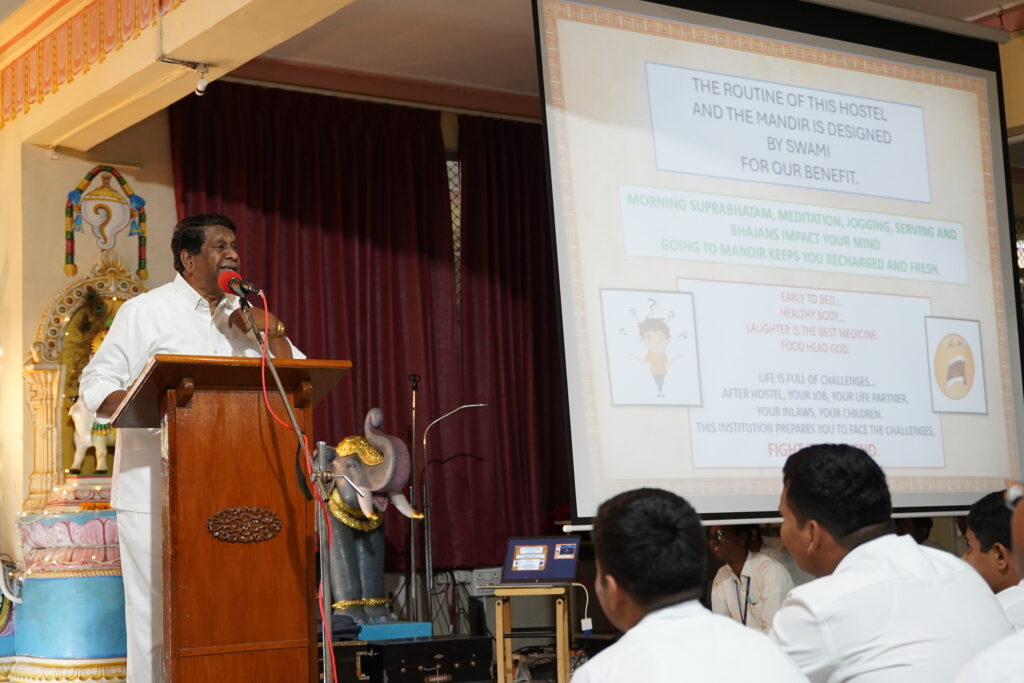
A particularly moving segment of the session featured students from the Brindavan Campus, who shared heartfelt reflections on the transformative impact that the regular chanting of the Hanuman Chalisa had made in their own lives. The session concluded on an uplifting note with the entire audience joining in the collective chanting of the Hanuman Chalisa, followed by the Shanti Mantra, creating an atmosphere of devotion and spiritual unity.
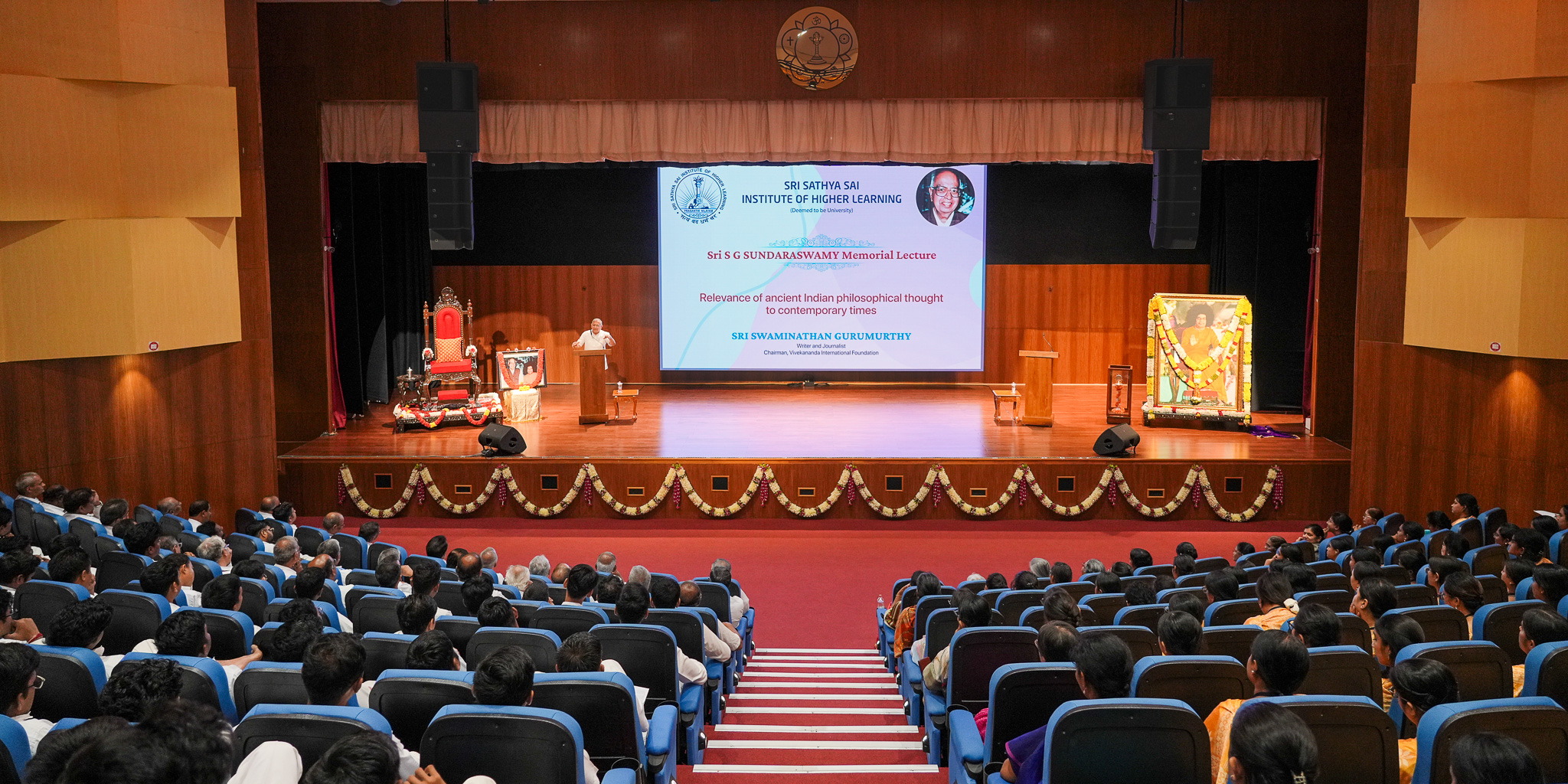
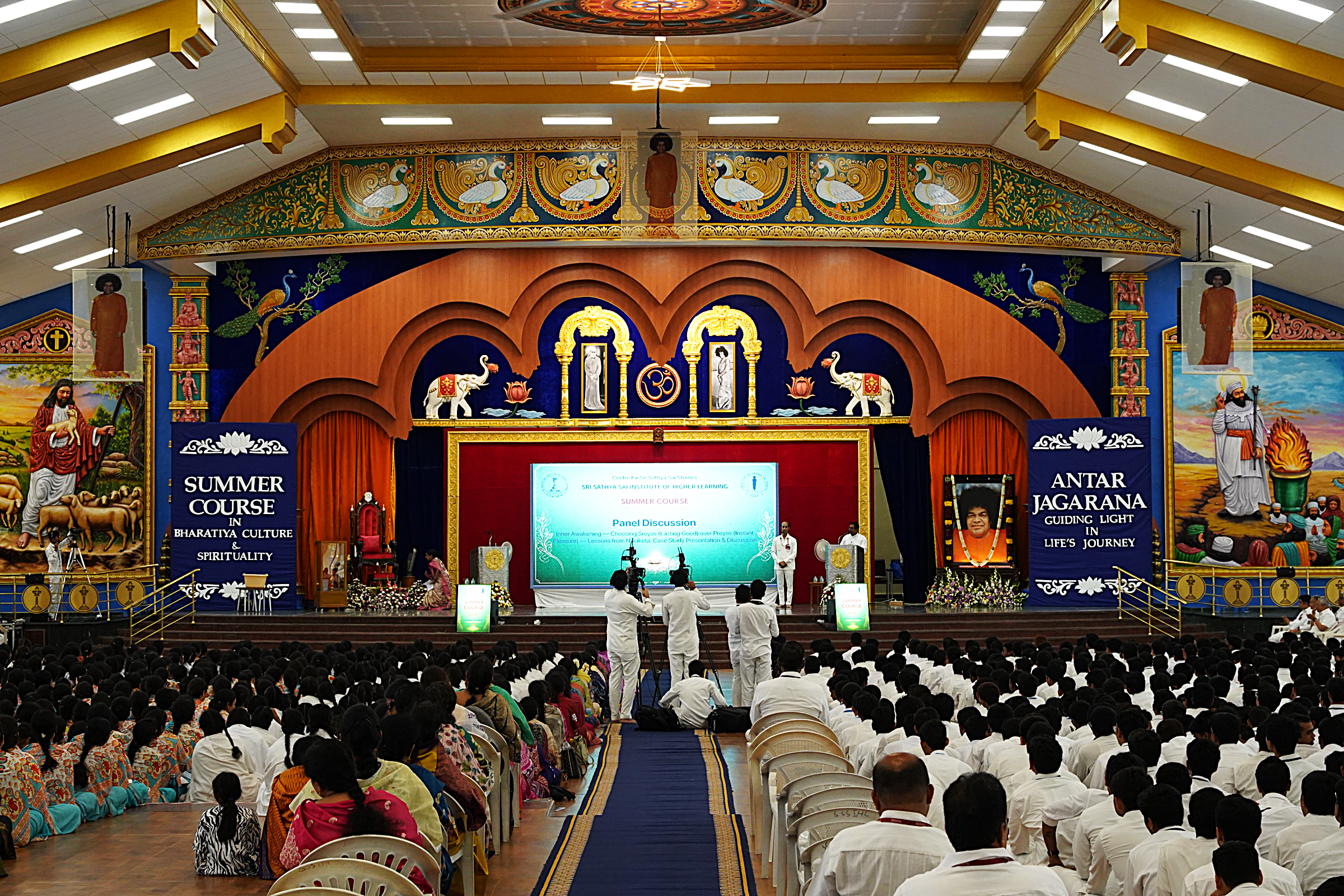
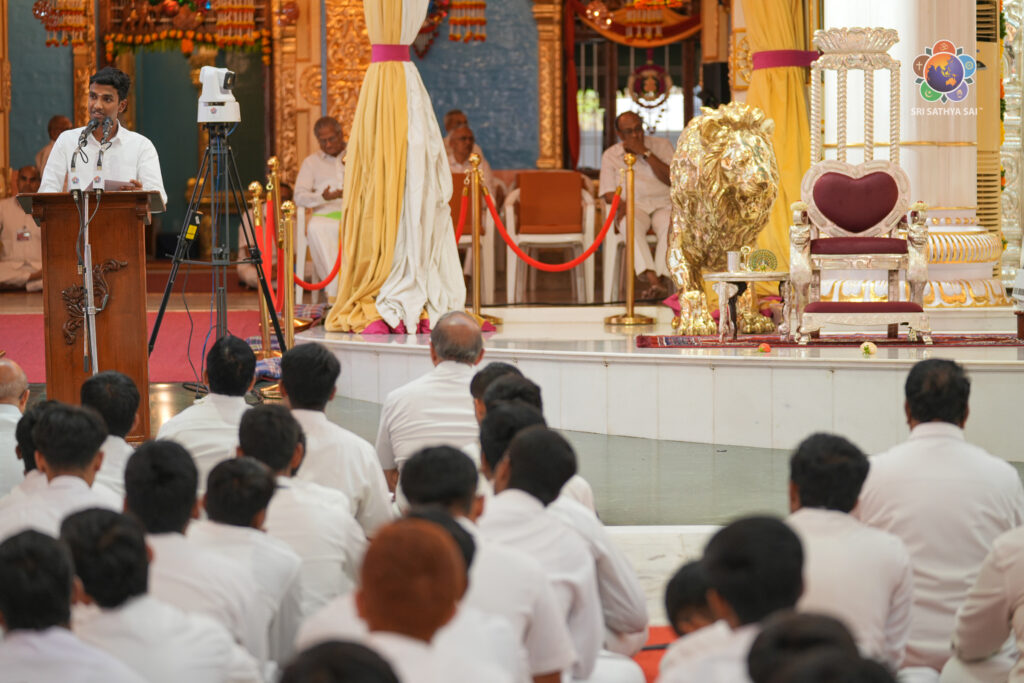
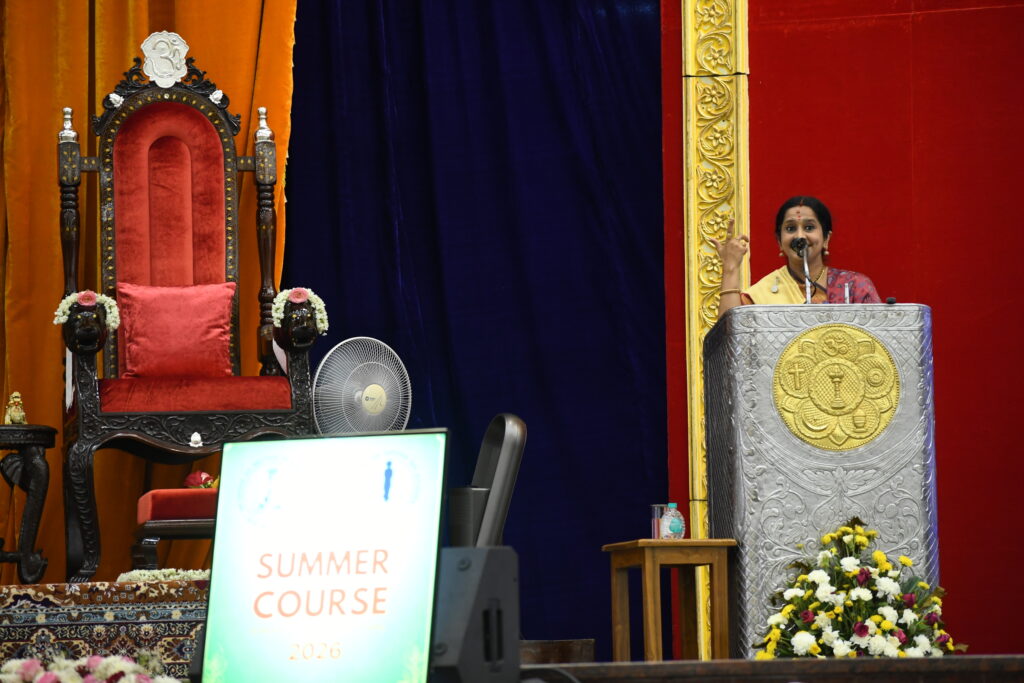
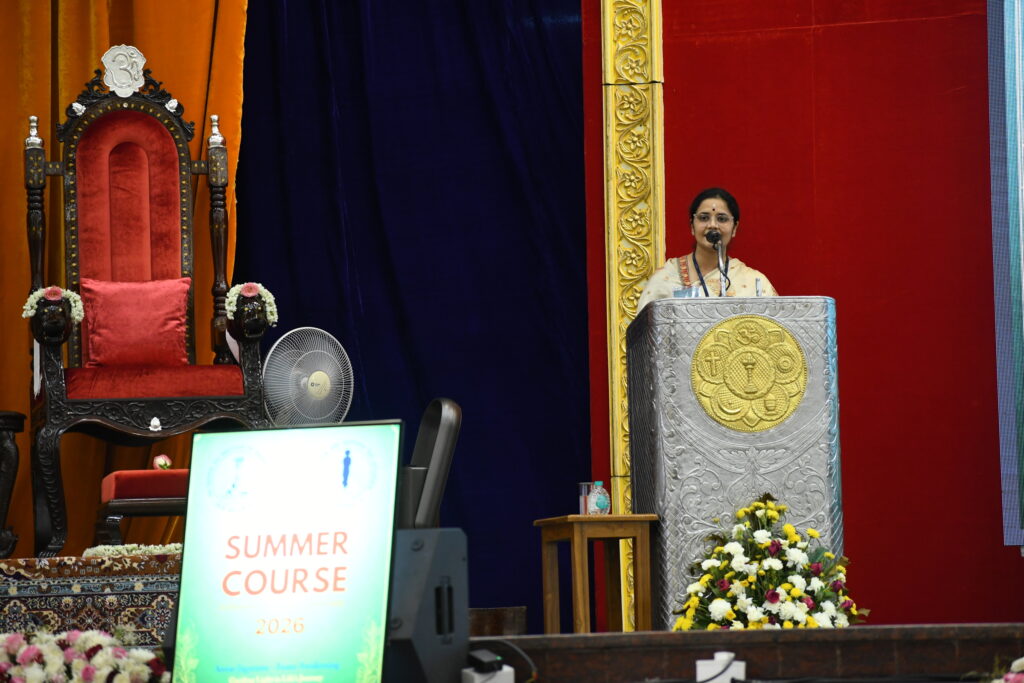
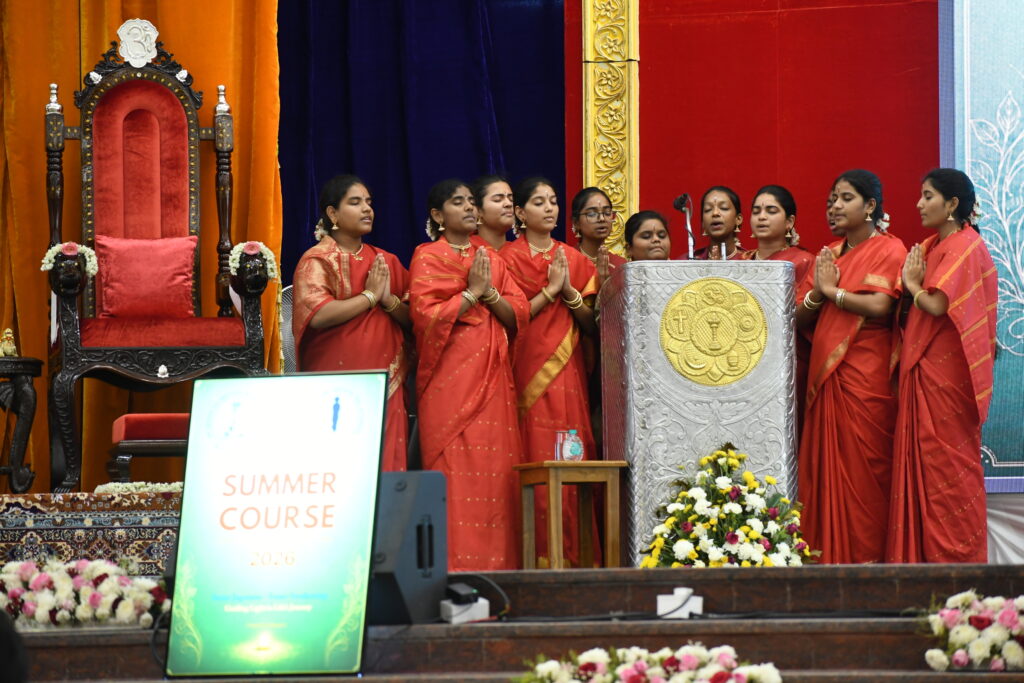
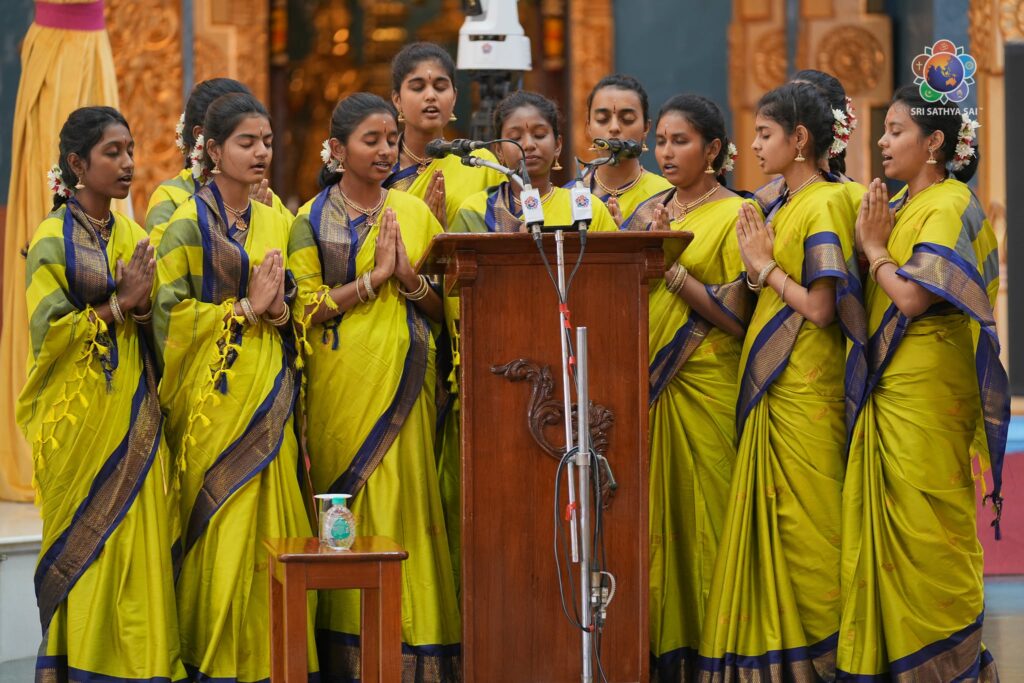
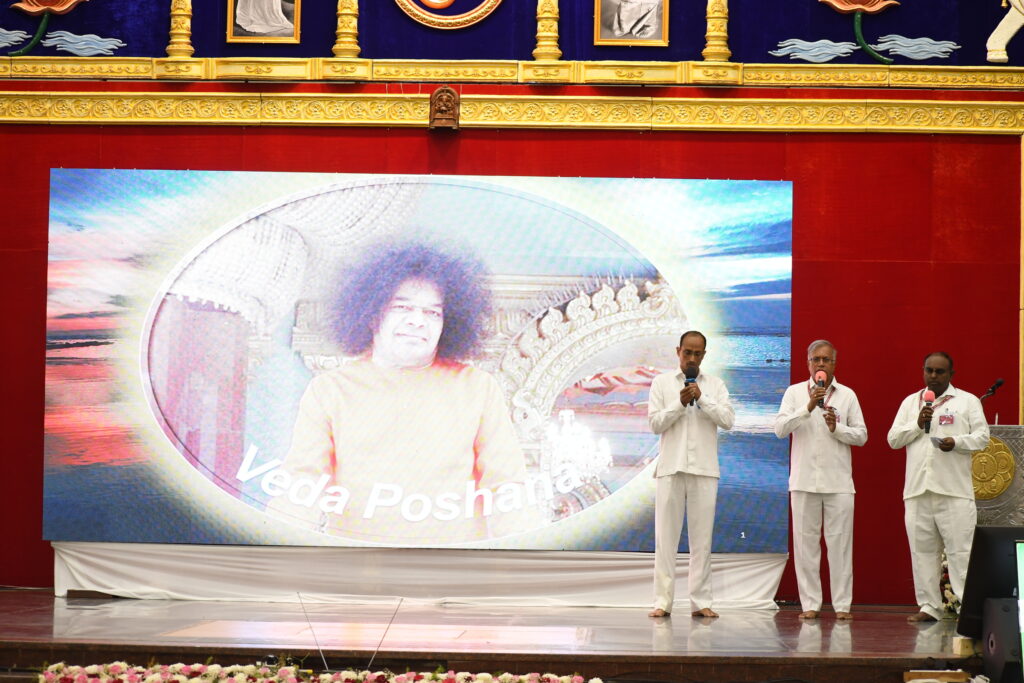
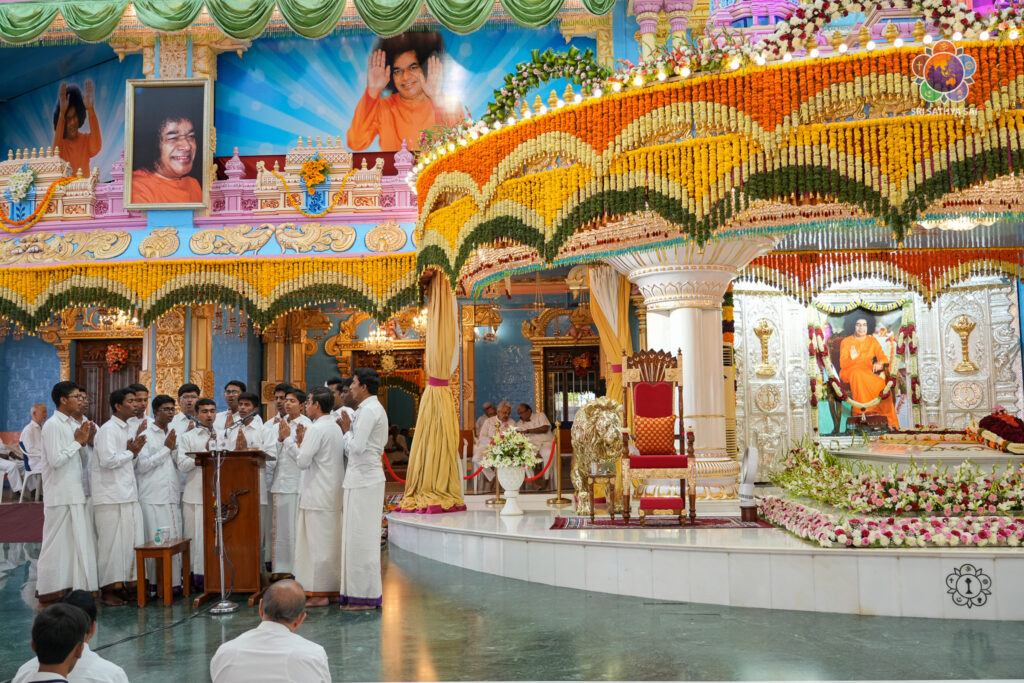
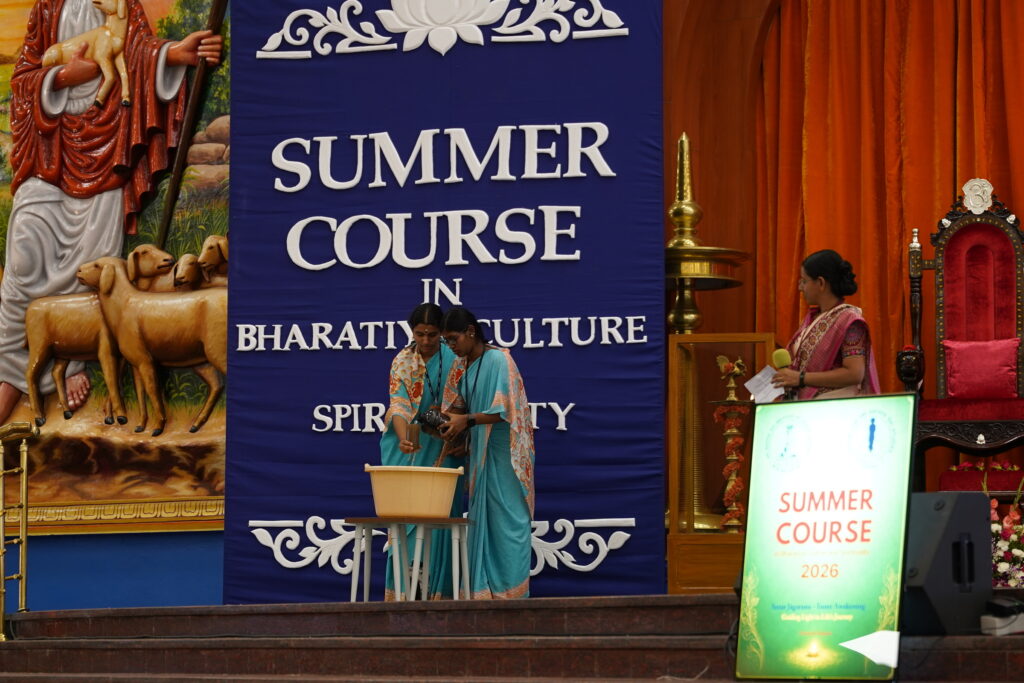
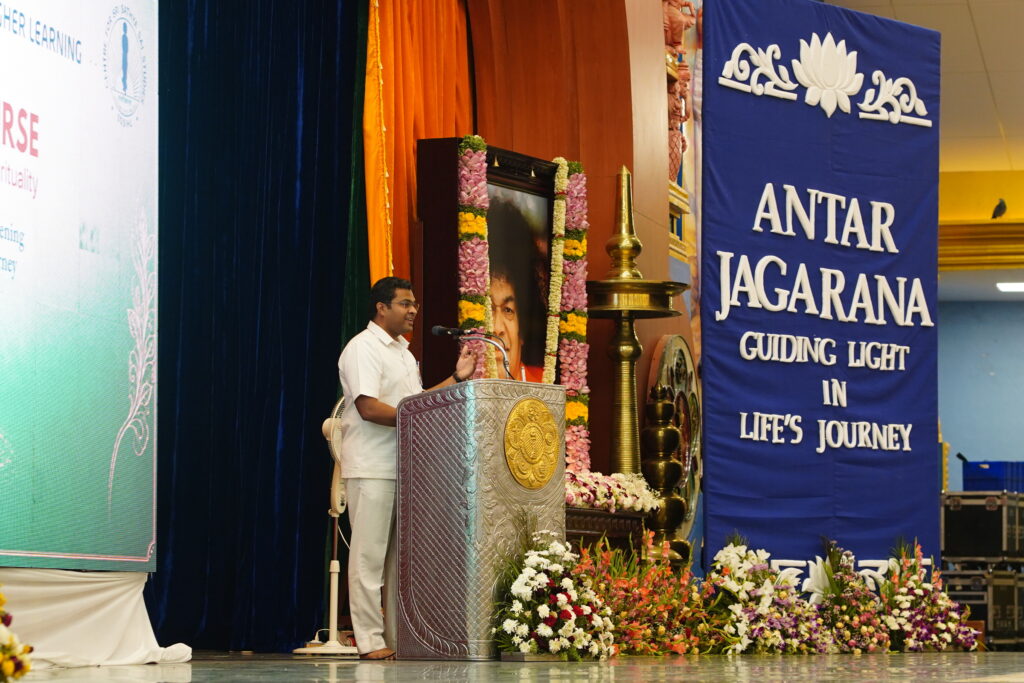
The evening programme at Sai Kulwant Hall began with Vedam chanting, followed by the Ganesha Sūktam rendered by students of the Anantapur Campus and the Sri Sathya Sai Higher Secondary School (Girls). A summary of the day’s proceedings was presented by Ms Sai Srilekha N., II M.B.A., SSSIHL.
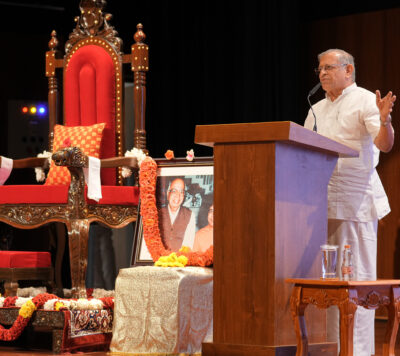
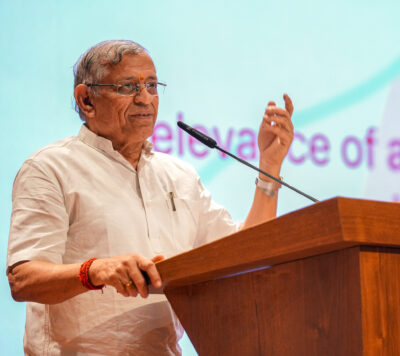
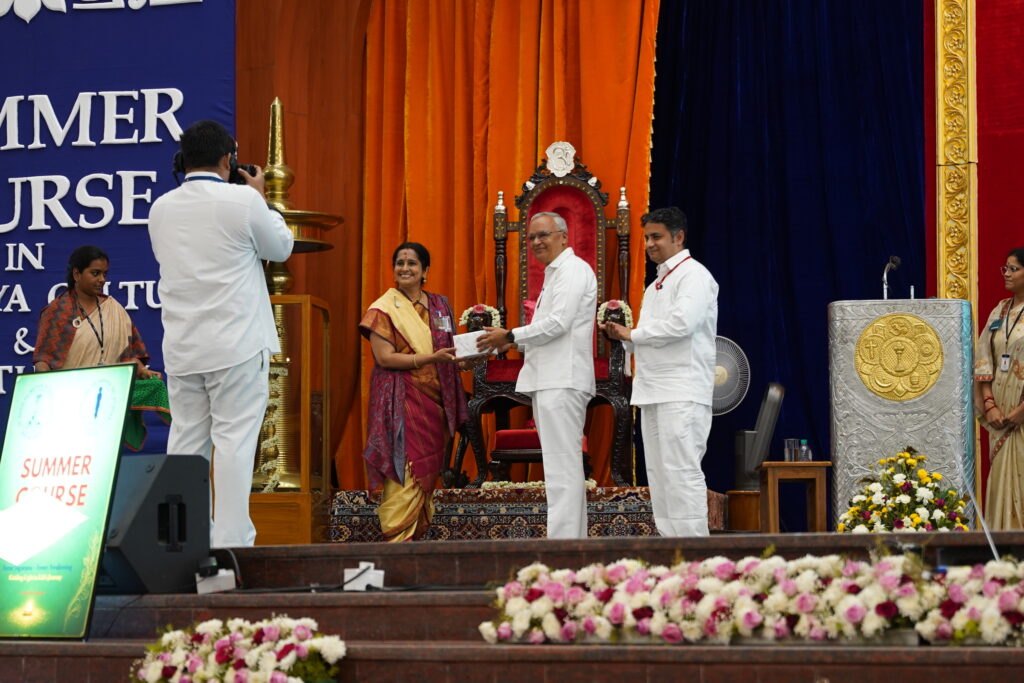
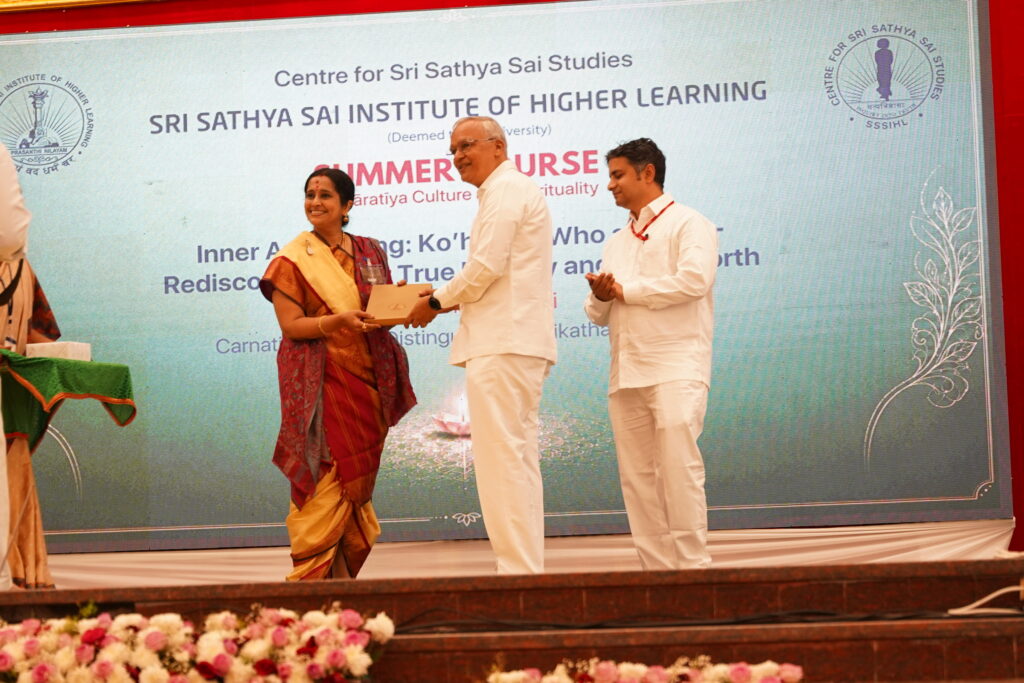
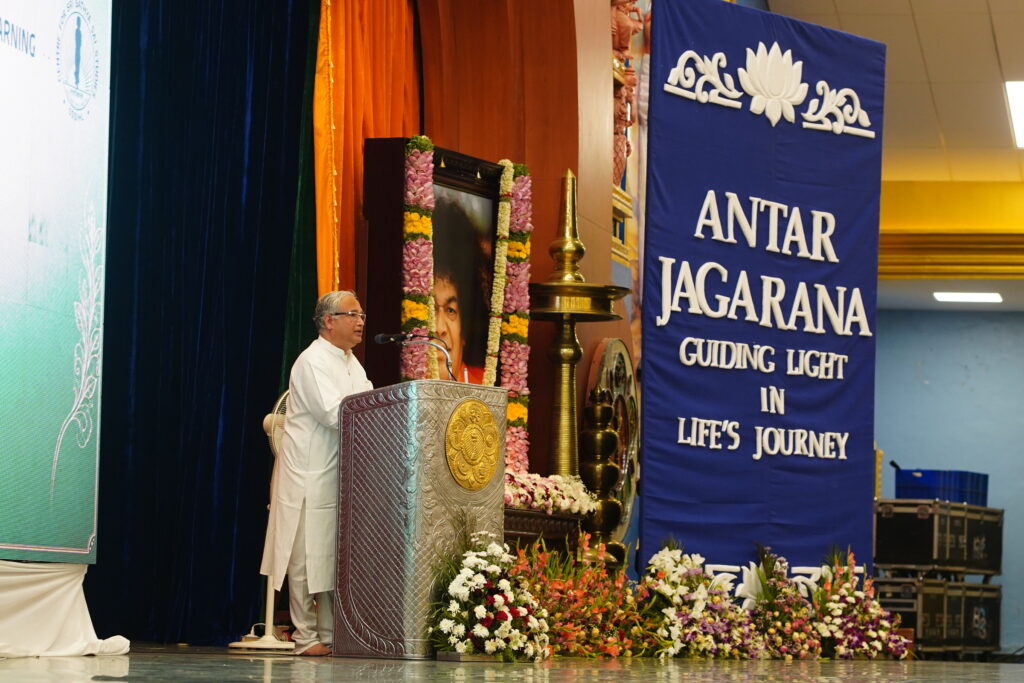
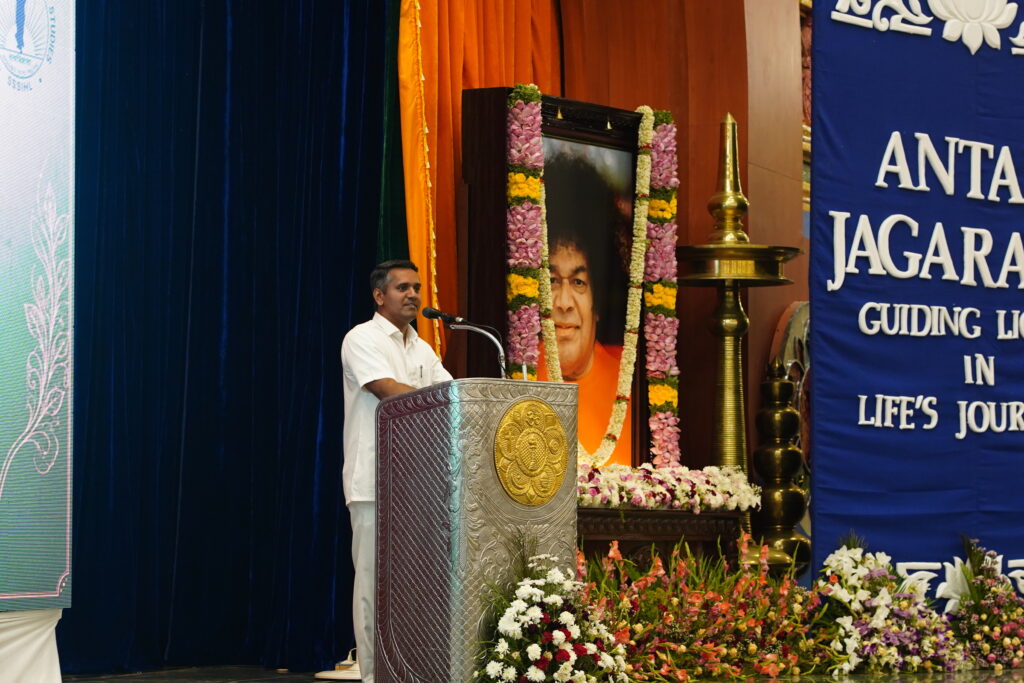
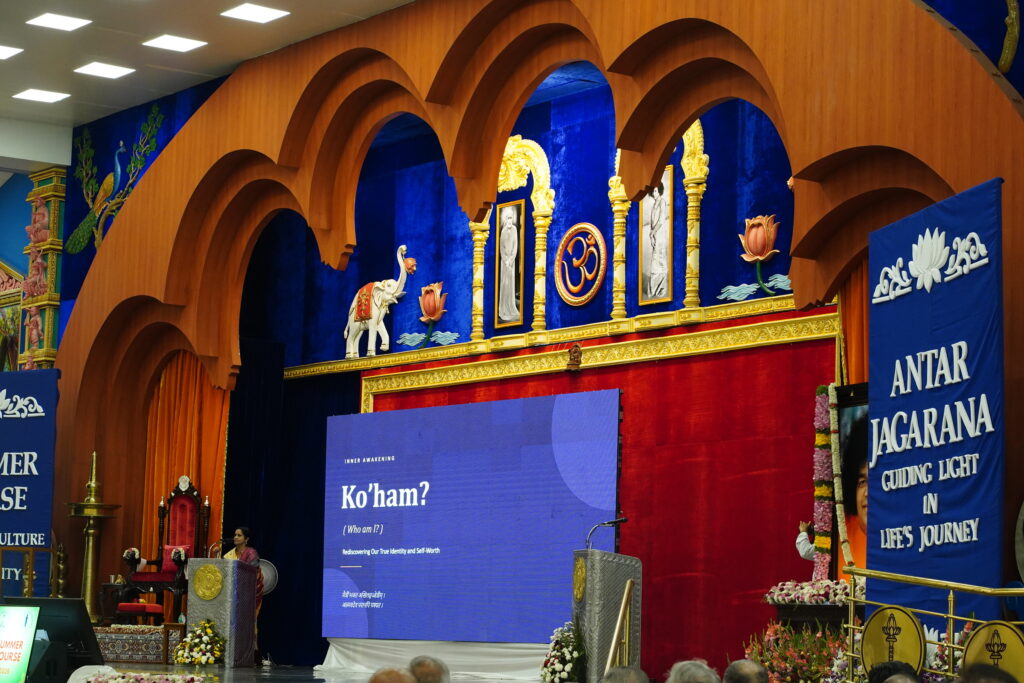
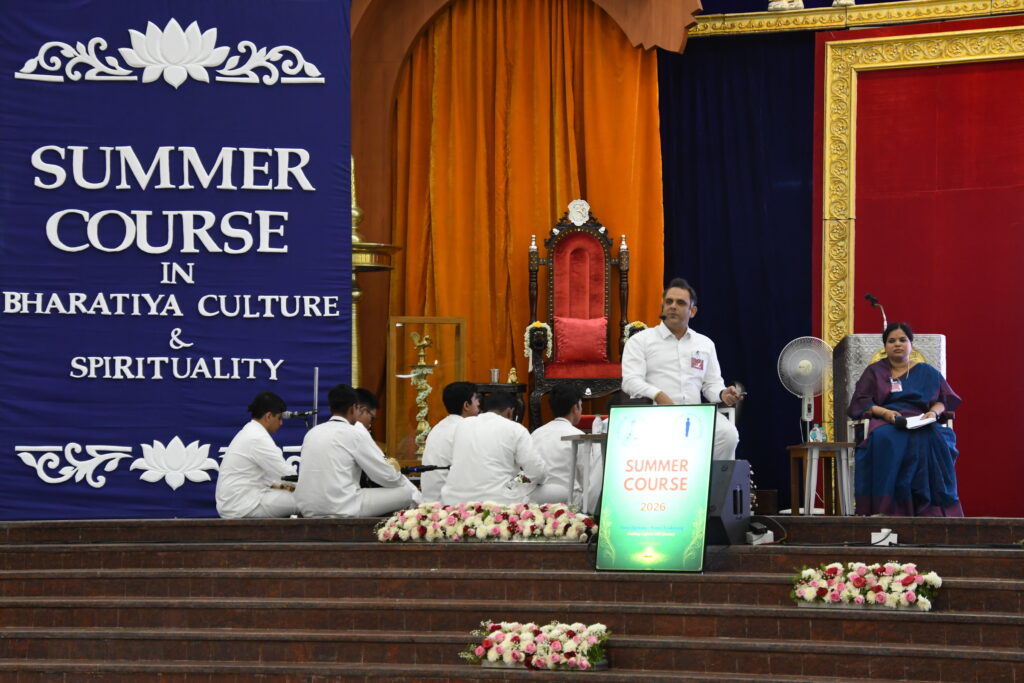
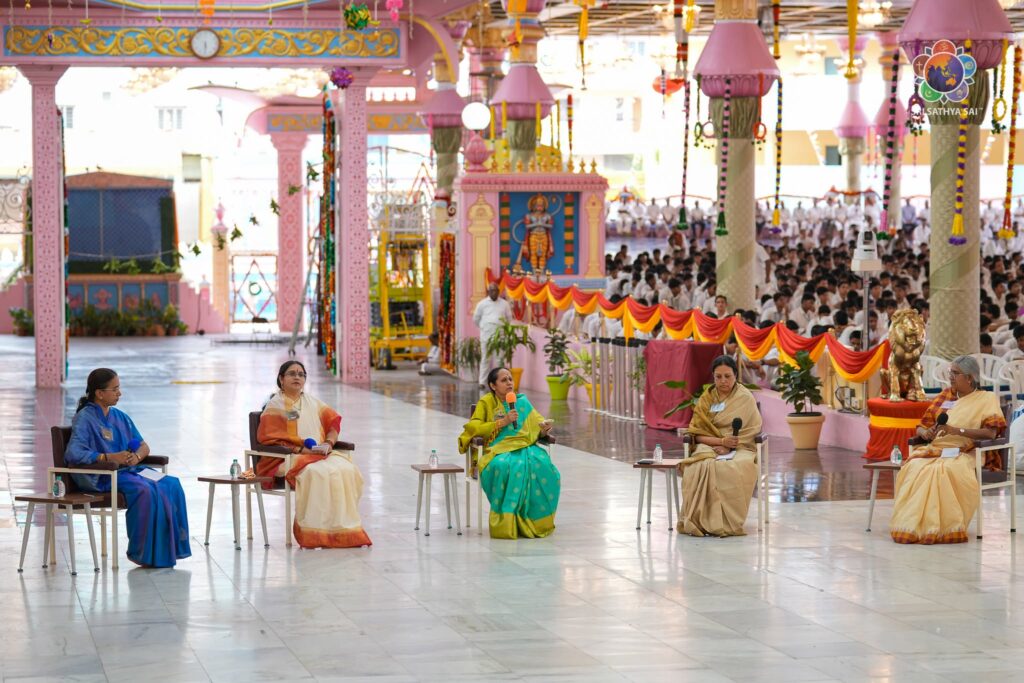
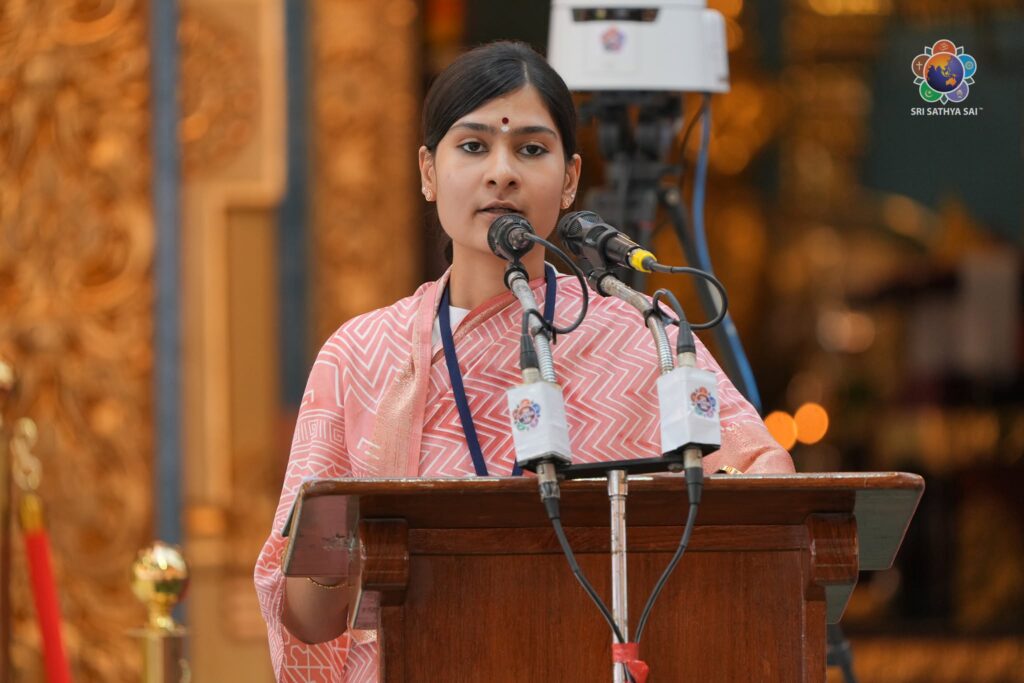
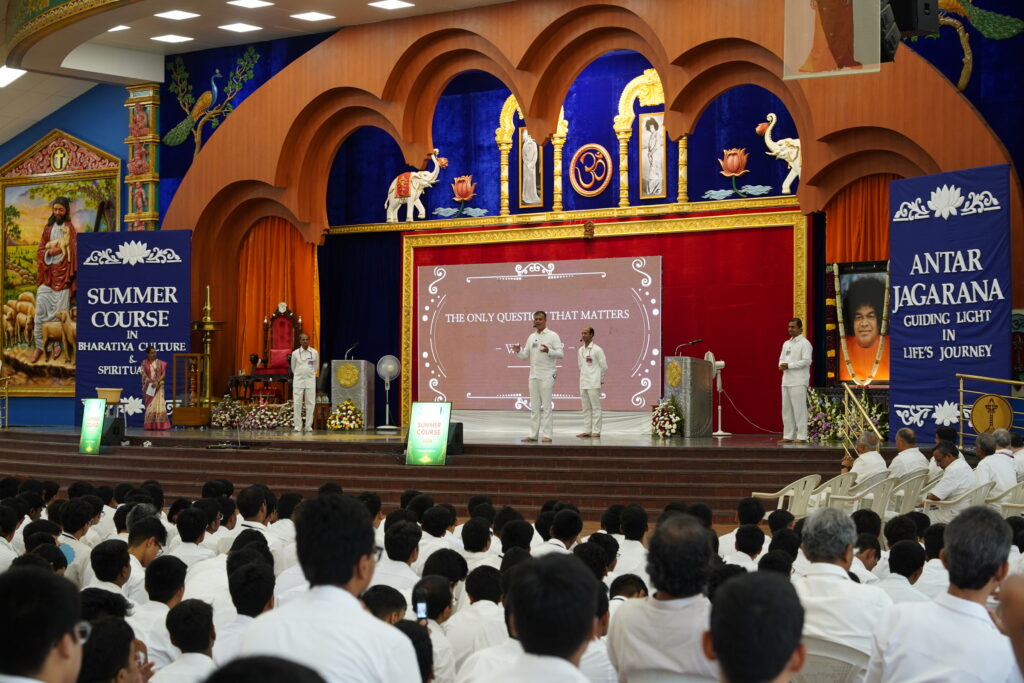
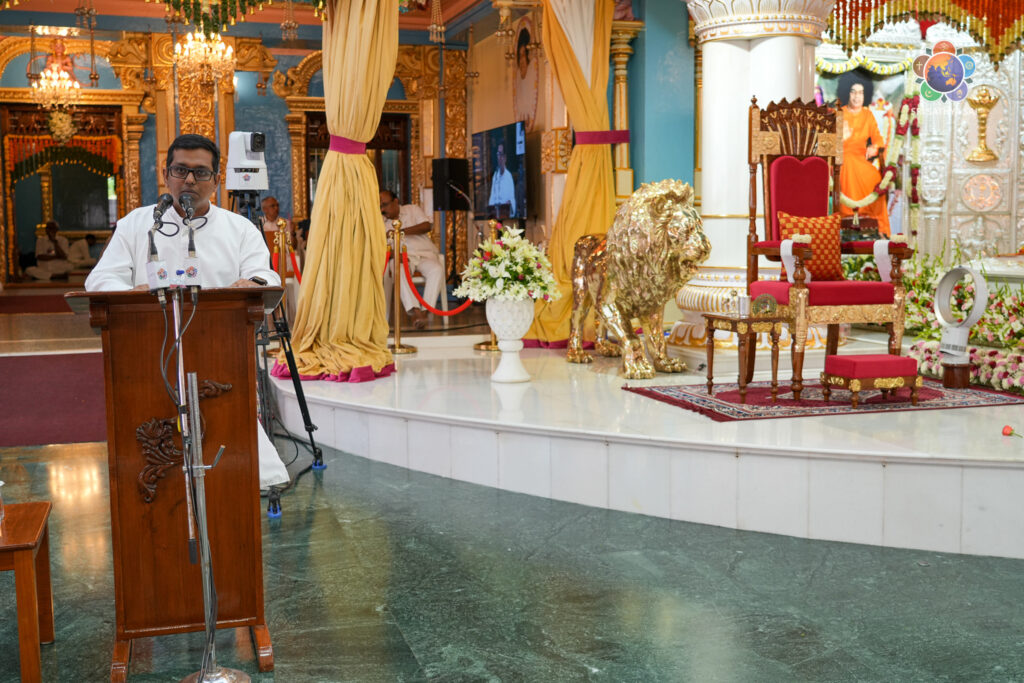
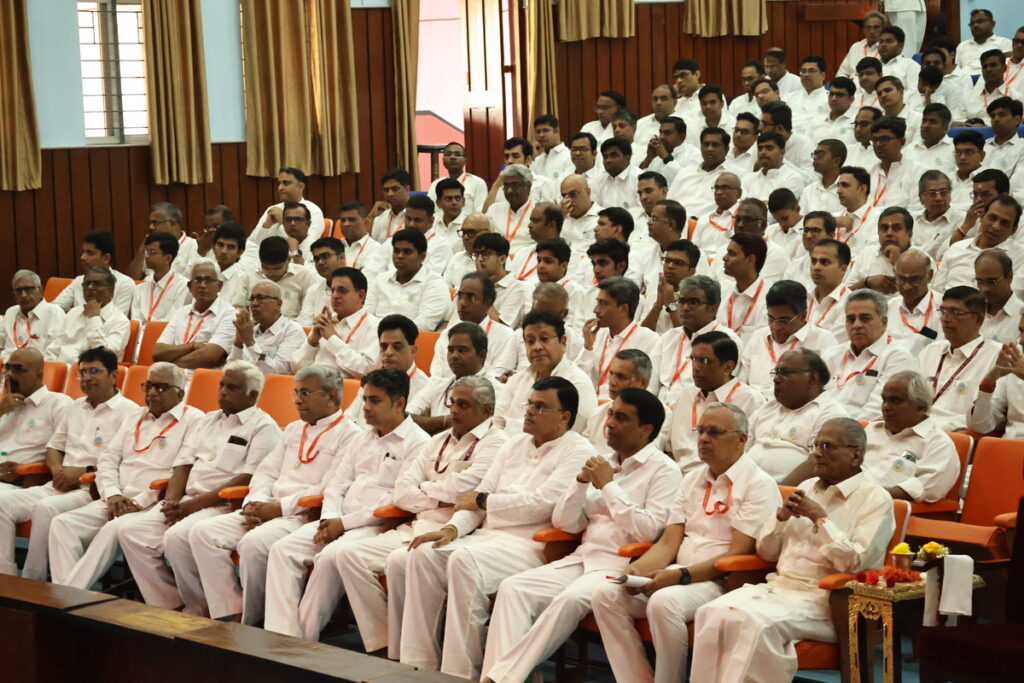
This was followed by an engaging panel discussion on “Inner Awakening and Righteous Living – Dharma as the Compass for Daily Life,” moderated by Prof. Rani P. L., Dean, Faculty of Humanities & Social Sciences and Languages & Literature, and Director, Anantapur Campus, SSSIHL. The panel featured Ms Sai Swaroopa Iyer, Program Lead, INDICA; Ms Sai Geetha M. N., Senior Director, Software Engineering, Lowe’s India; Dr Lathasree, Senior Medical Officer, Sri Sathya Sai General Hospital; and Ms Vidyulatha Narayan, Manager, Education Division, East Sussex County, UK.
Drawing upon the teachings of Bhagawan Sri Sathya Sai Baba, the speakers explained that Dharma is not merely a moral code but the expression of one’s innate divinity. Emphasising Trikarana Shuddhi—the harmony of thought, word, and action—they described righteousness as the foundation of individual transformation and social harmony.
The discussion explored profound concepts such as Swarupa Dharma, the realisation of one’s true divine nature, and Deha Dharma, the responsibility of caring for the body and mind through purity in food, conduct, speech, and thought. Citing examples from the Ramayana, Mahabharata, and Bhagavad Gita, the panel underscored that true Dharma lies in performing one’s duties selflessly, with detachment, and offering every action to the Divine while upholding universal human values.
Concluding the discussion, the panel affirmed that Dharma serves as the guiding compass for inner awakening, enabling individuals to listen to the voice of conscience, purify the mind, and manifest the divinity within. By making righteousness a natural way of life, they observed, humanity can progress from personal transformation to universal harmony and lasting peace.
The second day concluded with Bhajans and Arati at Sai Kulwant Hall, followed by a Vedam Workshop conducted by Sri K. Vedanarayanan, and Sri G. R. Praveena from Sri Sathya Sai Higher Secondary School and the Prasanthi Vedam Group, bringing another enriching day of the Summer Course to a spiritually elevating close.